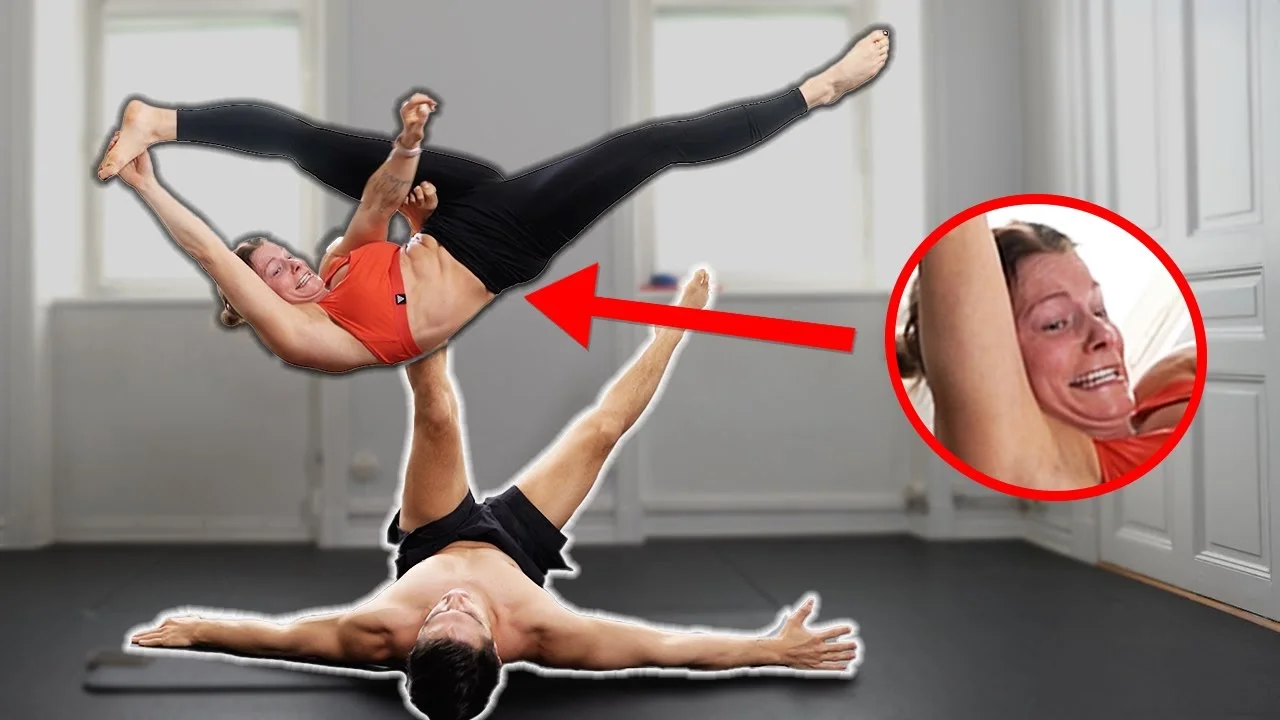
My boyfriend Daniel and I thought we were fit enough to crush an acro yoga challenge. We were wrong. What started as a fun afternoon quickly turned into a hilarious, painful, trust-testing experience that humbled both of us.
Why We Tried Acro Yoga as Calisthenics Athletes
I've always been curious about acro yoga. As a calisthenics athlete, I spend most of my time working on bodyweight skills like handstands, muscle-ups, and planche progressions. Acro yoga looks like it should overlap with that world. Two people, bodyweight, balance, strength. How hard could it be?
Turns out, very hard.
Daniel and I picked six acro yoga poses from pictures we found online. We ranked three as "easy" and three as "challenging." We had no instructions, no tutorials, just reference photos. The plan was simple: figure it out together.
The "Easy" Poses: Not as Easy as We Thought
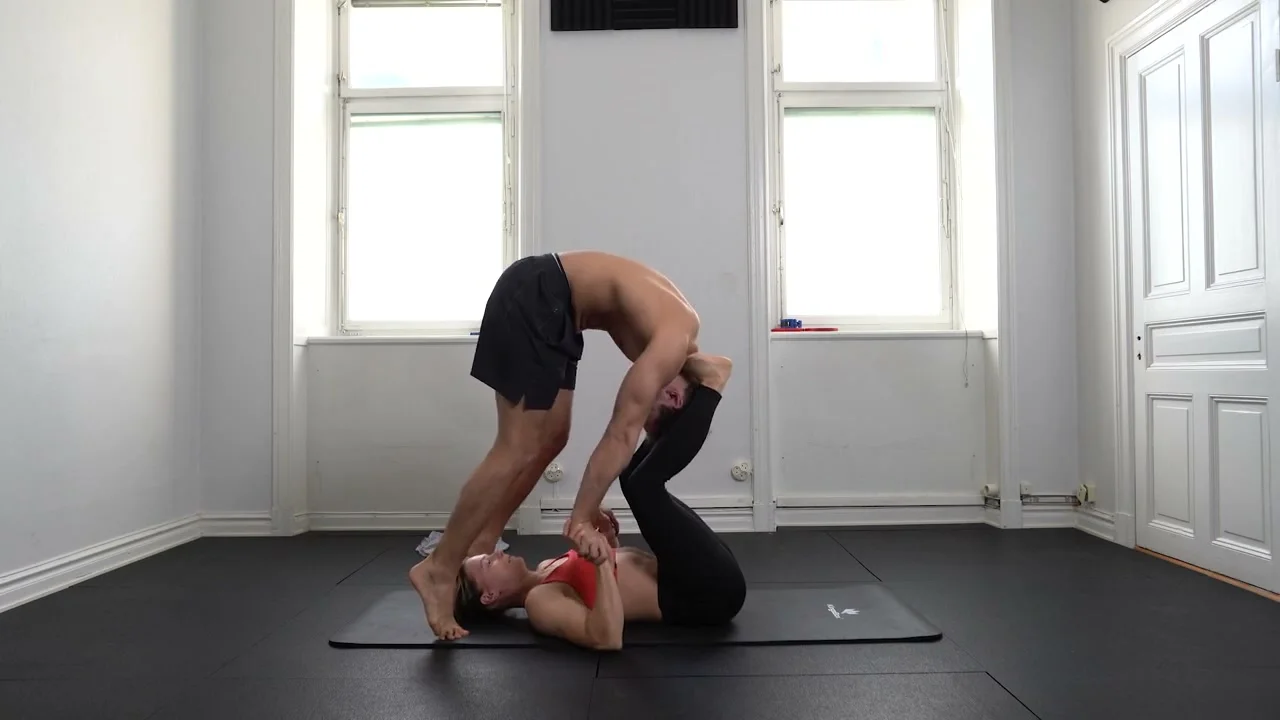
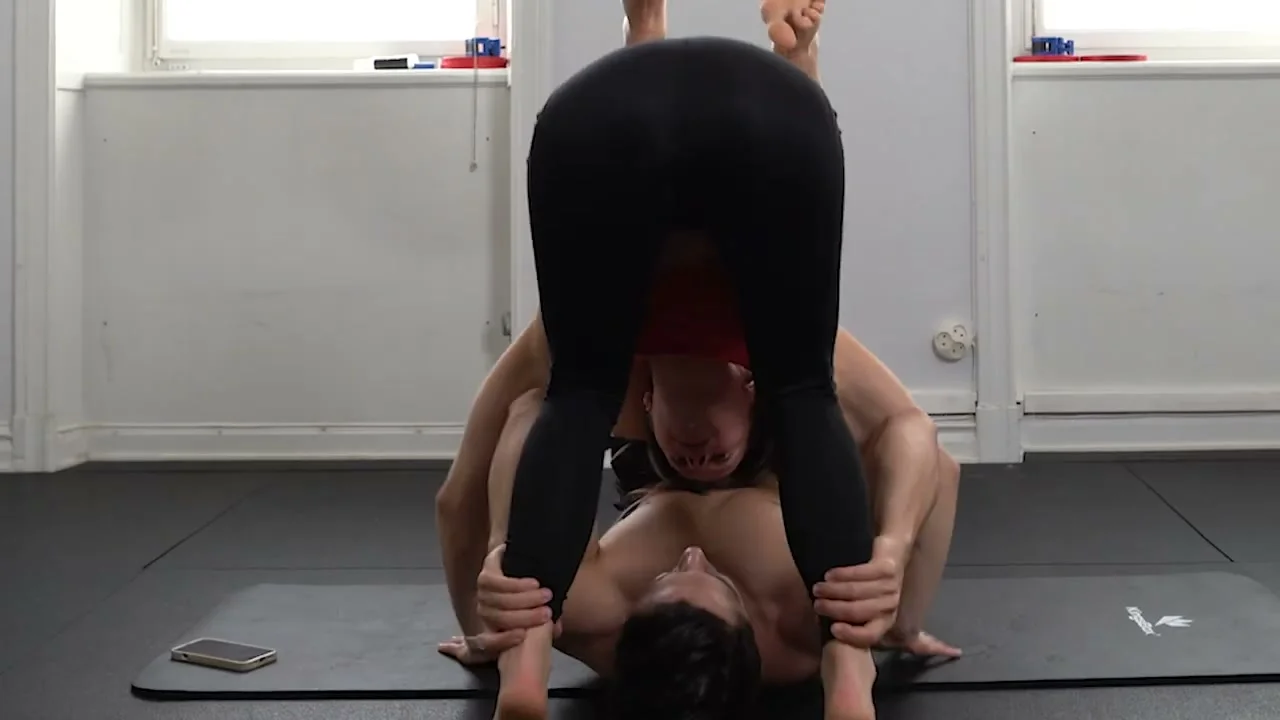
The first pose involved me hugging Daniel and placing my upper back across his lower back. It looked straightforward in the picture. Getting into position took some awkward adjusting, but we managed it. Honestly, it felt like a great stretch more than anything. Lightweight baby, as Daniel would say.
The second pose was where things got interesting. I was supposed to be the base, holding Daniel up. He looked at me and said, "I don't know if I trust you." Fair enough. We tried it with me on top first, and that worked. Then we switched. Let me just say, trust is a huge component of acro yoga that I completely underestimated. When someone is jumping onto you and you need to catch them with your feet, your brain screams "no" even when your body is strong enough.
The third "easy" pose went smoother. We got into it relatively quickly and held it. Three down, three to go. I was feeling confident.
I should not have been feeling confident.
The Hard Poses: Where It All Fell Apart
Pose number four required me to balance on Daniel while he held a specific position. The alignment was everything. I kept ending up too far forward or too far back. At one point I just needed chocolate to cope with the frustration. We eventually got it by cheating a little, adjusting our grips in ways the picture probably didn't intend.
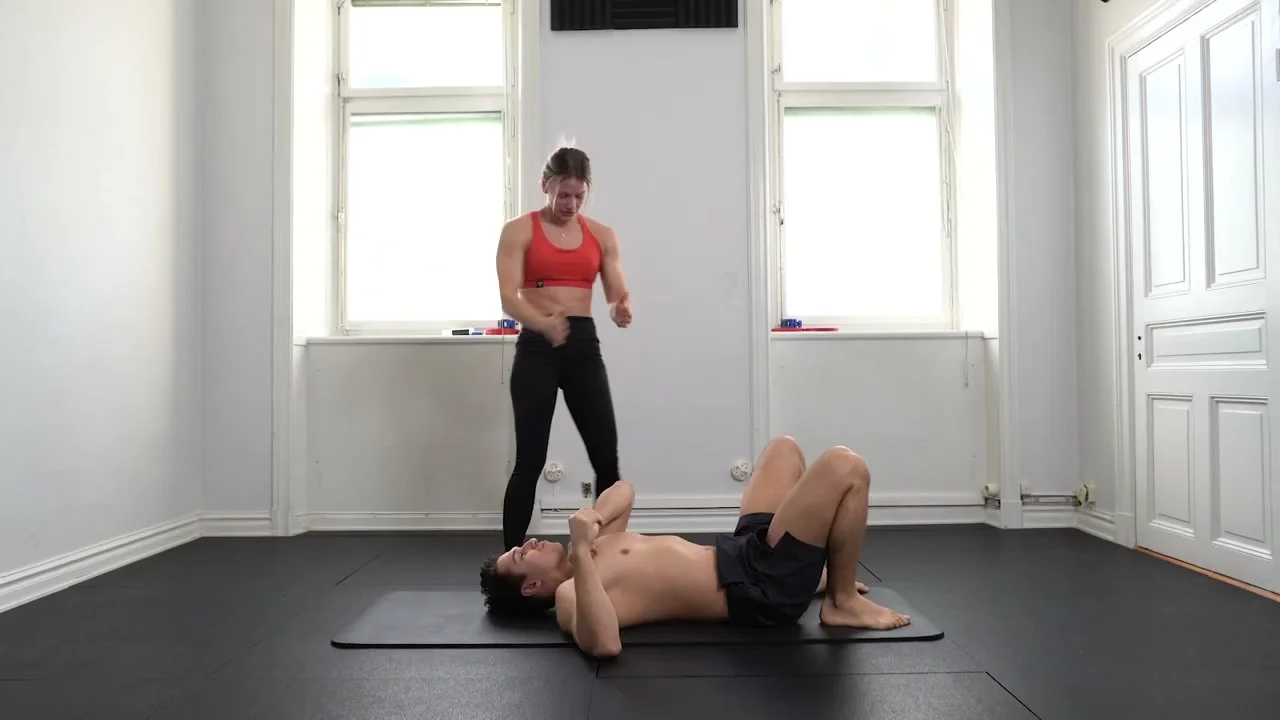
Pose five was a disaster in the best way. Daniel needed to separate his arms from his legs, go straight up, and I had to match his position. We kept collapsing. I couldn't get my hips in the right spot. He couldn't figure out where his shoulders should be. We tried it over and over. At one point Daniel asked, "What's the hard part for you?" and I just said, "Everything."
The final pose was the most painful. It involved a leg position that required serious flexibility. I needed my left leg in a specific split-like position because that's my more flexible side. Getting up there was scary. Daniel kept saying "pain is temporary," which is easy to say when you're not the one with your leg bent in a direction it doesn't want to go.
We got so close. Multiple attempts. Each one a little better. And then, finally, we held it. Barely. For maybe two seconds. But we held it.
What I Learned: Calisthenics Strength vs. Acro Yoga
Here's what surprised me most. Being strong doesn't automatically make you good at acro yoga. Yes, strength helps. Daniel and I can both do advanced calisthenics skills. But acro yoga demands a completely different kind of body awareness.
You need trust in your partner. Real trust, not just "I know you're strong" trust. The kind where you relax your body and let someone else control your balance. That's hard for athletes who are used to being in full control.
You need communication. Every single attempt required us to talk through what was happening. Where to place hands. When to push. When to hold. Calisthenics is often a solo sport. This was the opposite.
Flexibility matters more than I expected. I have decent flexibility for a calisthenics athlete, but some of these poses demanded a range of motion that I just don't train regularly. It was a humbling reminder that there's always room to grow.
Tips if You Want to Try Acro Yoga
If you're a calisthenics athlete curious about acro yoga, here are a few things I'd recommend based on our experience:
Start with a tutorial, not just pictures. We went in blind and spent a lot of time figuring out transitions that probably have specific techniques. A proper class or even a YouTube tutorial would save you time and frustration.
Pick a partner you communicate well with. This is not the time for ego. You need to be honest about what feels wrong, what hurts, and what scares you. Daniel and I are good at this, and it still got chaotic.
Warm up your hips and shoulders. These two areas take the most stress in acro yoga. A solid mobility routine before you start will make a big difference.
Don't skip flexibility training. If you only train strength, acro yoga will expose your limitations fast. Add some regular stretching or yoga to your routine.
Laugh at yourself. Seriously. You will fall. You will look silly. That's the whole point. It's supposed to be fun.
Would I Do It Again?
Absolutely. Despite the bruises, the failed attempts, and the moments where I genuinely questioned our life choices, it was one of the most fun training sessions I've had in a long time. It reminded me why I fell in love with movement in the first place. Not everything has to be about PRs and competitions. Sometimes you just need to try something new, fail a bunch, and laugh with someone you love.
If you want to try something similar, grab a training partner and look up some beginner acro yoga poses. And if you're looking for calisthenics programs to build the strength foundation that will help you with partner work, check out what Daniel and I have created at Calixpert.
FAQ
Is acro yoga good for calisthenics athletes?
Yes. It builds trust, coordination, and body awareness that you don't always develop training solo. It also highlights flexibility gaps you might be ignoring.
Do you need to be strong to do acro yoga?
Strength helps, especially for the base position. But technique, balance, and communication matter just as much. Beginners can start with simple poses and progress from there.
Is acro yoga dangerous?
It can be if you skip progressions or don't communicate with your partner. Start with low poses, use mats, and consider taking a class before attempting advanced positions.
How is acro yoga different from regular yoga?
Regular yoga is mostly a solo practice focused on flexibility, strength, and mindfulness. Acro yoga adds a partner element with one person as the base and one as the flyer. It requires teamwork and trust on top of the physical demands.
Can beginners try acro yoga?
Definitely. Many beginner poses don't require advanced strength or flexibility. The key is to start simple, communicate clearly, and build up gradually.