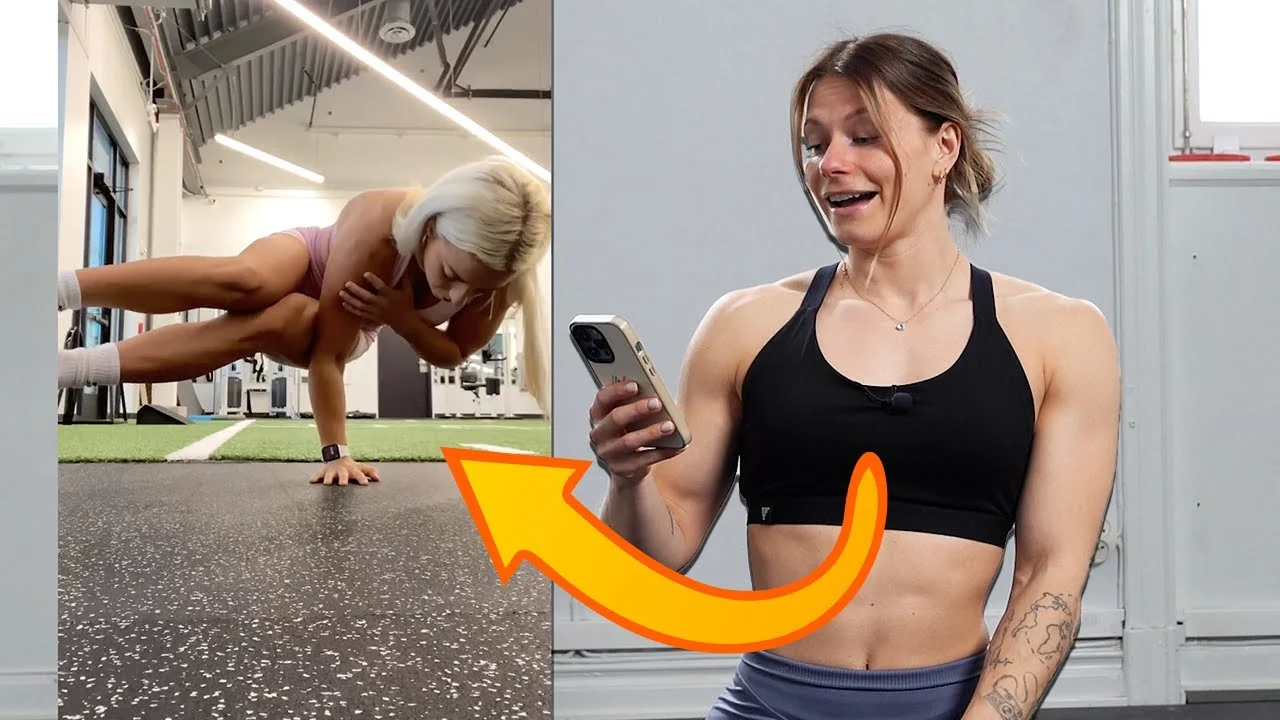
I've been tagged in so many viral fitness challenges that I finally decided to sit down, pick five of the hardest ones, and just go for it. Some went better than expected. Others humbled me completely. Here's what happened when I tried five viral social media challenges, and what I learned from each one.
Why I Decided to Try These Viral Challenges
If you follow me on social media, you know my inbox has been flooded with tags. "Malin, try this one!" "Can you do this challenge?" It happens every week. Most of these viral challenges test mobility, balance, or raw strength in unusual ways. As a calisthenics athlete, I figured I should be able to handle them. I was wrong about a few.
I picked five challenges that kept coming up again and again. They range from a simple mobility flow to the nearly impossible Baki pose. Let me walk you through each one.
Challenge 1: The Irony Challenge
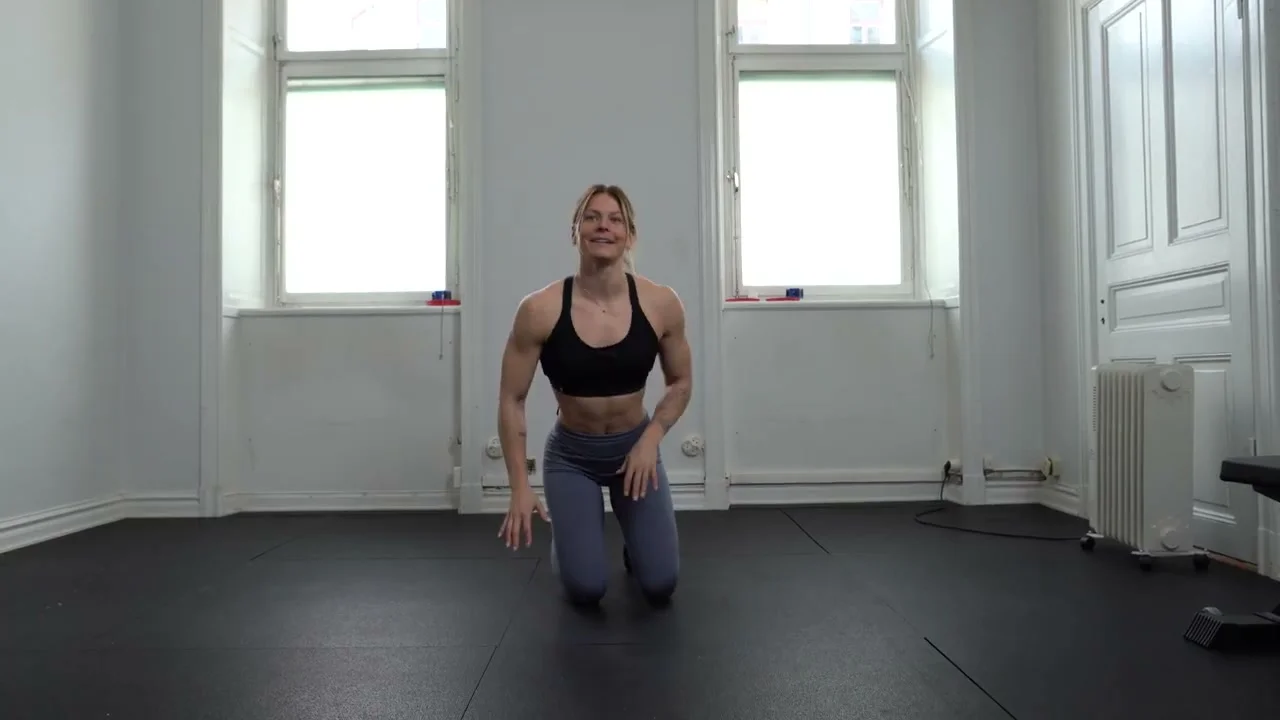
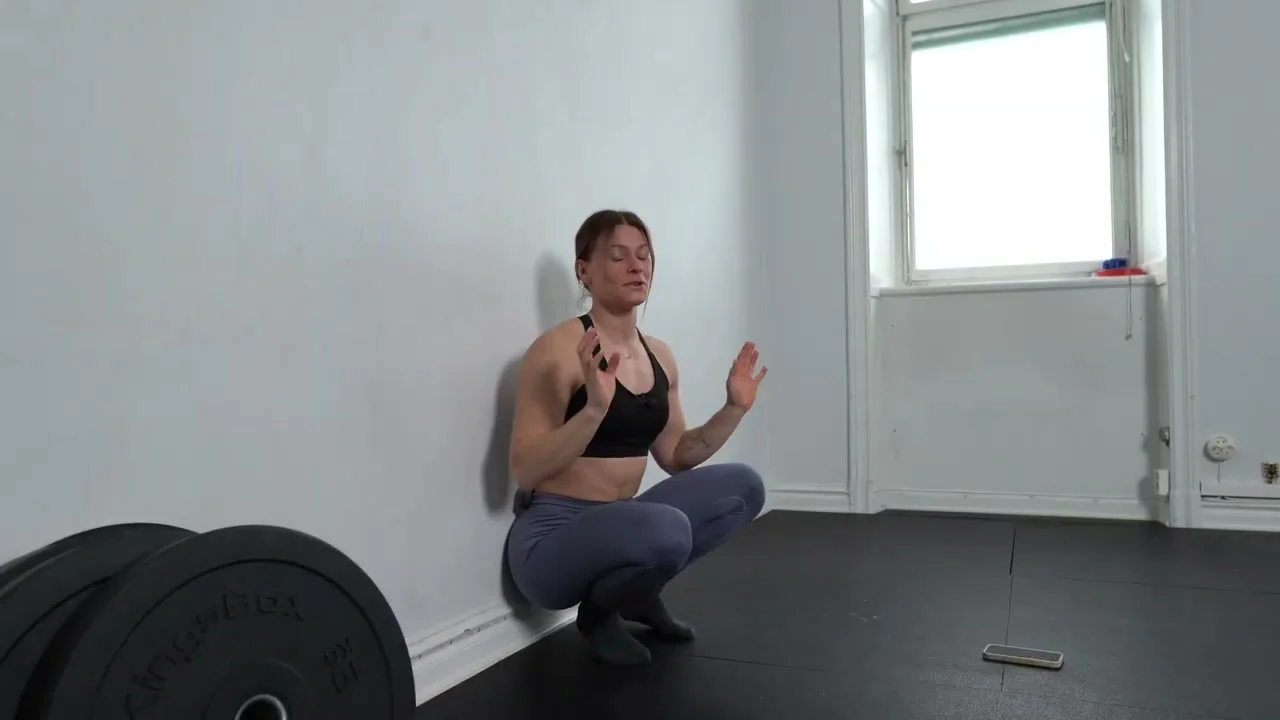
This one starts in a deep squat. You slide your knees forward until your shins are parallel to the floor. Then you rise onto your toes, drop back down, rock into a deep squat, and stand up. It sounds complicated but it's really a mobility flow.
Honestly? This was a solid warm-up. If you have decent ankle mobility and quad flexibility, you should be able to handle it. I did it on the first try. Not every challenge needs to destroy you. Sometimes a win just feels good.
Tips for the irony challenge:
- Warm up your ankles and knees first.
- Go slow on the shin-slide portion. Control matters more than speed.
- Keep your core engaged so you don't fall forward.
Challenge 2: The Mobility and Strength Leg Challenge
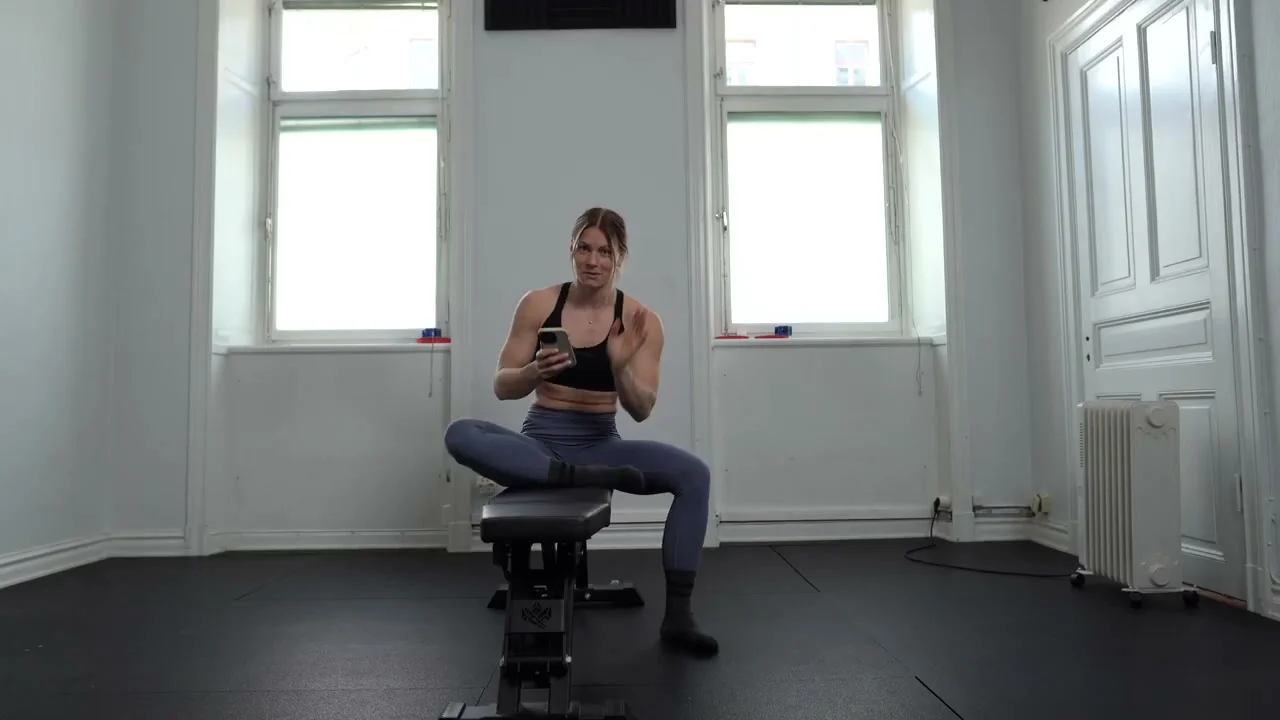
This one doesn't even have a proper name, but it's all over social media. You stand on one leg, bend over, touch the ground, then drop your knee while staying balanced. It tests single-leg strength and hip mobility at the same time.
I'll be honest: I wasn't sure I could do this one. I had tried it before and struggled. But this time, I got it on both legs. The left side was noticeably harder though. My balance felt shaky and the drop-to-knee transition was rough.
If you want to try this, work on your single-leg Romanian deadlifts and deep lunges first. Those two exercises build the exact strength and stability you need.
Challenge 3: The Dragon Squat Box Challenge
This is where things got humbling. The challenge involves jumping onto a bench, performing a pistol squat, transitioning into a dragon squat, and touching your shoulder to your knee. There are two levels, and I started with what's supposed to be the easier one.
I tried it multiple times. Each attempt felt a little closer, but I never nailed it cleanly. The dragon squat portion was the problem. I even tried a regular dragon squat on the floor just to test myself, and that was brutal too.
Here's what I realized: my lower body strength is my weak spot. I train flexibility and upper body calisthenics constantly, but I don't do heavy lower body strength work. This challenge exposed that gap completely.
What you need for the dragon squat challenge:
- Strong pistol squat on both legs
- Deep hip mobility
- Solid ankle flexibility
- Single-leg quad strength that most calisthenics athletes overlook
Challenge 4: The Wall Handstand Sequence
My friend Demi challenged me in this one. It's a wall sequence where you kick up, split your legs, rotate into a handstand, come down into a wall squat, and finish the flow. It combines handstand skills, flexibility, and spatial awareness.
I managed to get through the whole sequence, but I'm not sure it looked pretty. The split-to-handstand rotation felt awkward. Wall work is different from freestanding handstands because the wall changes your center of gravity. You have to adapt your balance in real time.
Did I do it? Technically, yes. Was it clean? You tell me. I genuinely want honest feedback in the comments.
Challenge 5: The Baki Pose
I saved the hardest one for last. The Baki pose comes from the anime "Baki" and it's basically a one-arm frog stand with your body extended to one side. It looks like something that shouldn't be physically possible.
Believe it or not, I had never tried this before filming. The setup is manageable: you get into a frog stand position but shifted to one side. The hard part is lifting your second hand off the floor. Even for a split second.
I tried both sides. On my left arm, I felt a tiny moment of control and balance. On my right, my wrist protested loudly. Neither attempt was anywhere close to a full hold. This challenge needs serious dedicated practice. We're talking weeks or months of specific wrist conditioning, oblique strength, and one-arm balance work.
Key Takeaways From Trying These Challenges
Here's what I walked away with after filming all five:
1. Your weak spots will show up. I'm strong in upper body calisthenics. My lower body strength? Not so much. The dragon squat challenge made that painfully clear.
2. Mobility alone isn't enough. Being flexible helps, but these challenges require strength through a full range of motion. That's a different thing entirely.
3. Failing is part of the fun. I love challenges I can't do. They give me something to work toward. The Baki pose is now on my training list.
4. You don't need to be perfect on camera. Some of these attempts were messy. That's real training. Nobody nails everything on the first try.
5. Viral challenges can expose real fitness gaps. Use them as diagnostic tools. If a challenge highlights a weakness, that's valuable information for your programming.
How to Use Viral Challenges in Your Training
I don't think you should build your entire routine around viral challenges. But they're a fun way to test yourself and identify areas for improvement. Here's how I'd recommend using them:
- Try one new challenge per week as a warm-up or finisher.
- Film yourself so you can review your form honestly.
- If a challenge exposes a weakness, add targeted exercises to your program.
- Don't force movements that cause pain, especially in your wrists and knees.
- Share your attempts and be honest about the results. Nobody benefits from fake perfection.
If you want structured calisthenics programs that actually build the strength and mobility needed for challenges like these, check out our programs at Calixpert. We designed them for real progress, not just internet clout.
Frequently Asked Questions
Are viral fitness challenges safe to try?
Most of them are safe if you warm up properly and don't push through pain. The key is knowing your limits. If a challenge requires strength or mobility you don't have yet, work up to it with progressions instead of forcing the movement.
What's the hardest viral challenge you tried?
The Baki pose, without question. It requires one-arm balance, extreme wrist strength, and full-body tension. I couldn't hold it for more than a split second. It's a long-term goal now.
Do you need calisthenics experience to try these challenges?
Some of them, like the irony challenge, are accessible to most people with basic mobility. Others, like the dragon squat box challenge and the Baki pose, require significant training. Start with the simpler ones and work your way up.
How can I improve my lower body strength for calisthenics?
Pistol squats, deep lunges, single-leg Romanian deadlifts, and wall sits are all great starting points. I realized through these challenges that I need to prioritize my legs more. If you're upper-body focused like me, don't skip leg day.
Where can I find more calisthenics challenges and programs?
You can find structured programs and equipment recommendations at Calixpert. I also post regular challenge content on my social media, so follow along if you want to try things together.
Thanks for reading, and remember: it's cool to be nice. See you in the next one!