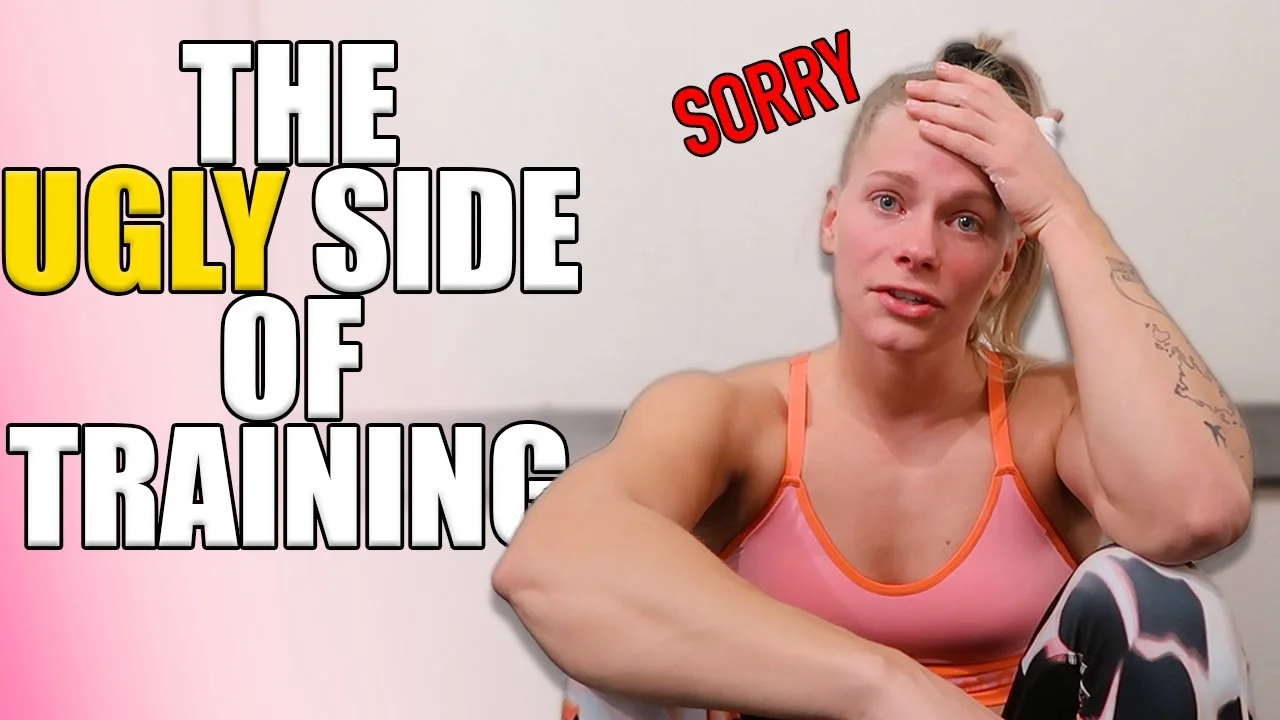
Some days you walk into the gym and nothing works. Your body feels off, your mind screams at you to stop, and every trick you know suddenly feels impossible. This is that kind of day. I recorded this training session in full because I wanted you to see the real side of preparing for the biggest competition of my life.
The Context: Preparing for the Biggest Competition of My Life
At the time of this video, I was deep into preparation for FIBO 2020 in Germany. I had qualified as one of eight female athletes worldwide. That alone was a dream. I was honored, excited, and honestly, scared to death.
When a competition means that much to you, every single training session starts to carry weight. You put pressure on yourself. You expect progress every day. And when a session goes sideways, it hits differently.
That pressure is something every calisthenics athlete knows. Whether you are training for a local street workout battle or your first muscle-up, the expectations you place on yourself can become your biggest obstacle.
What My Street Workout Training Looks Like
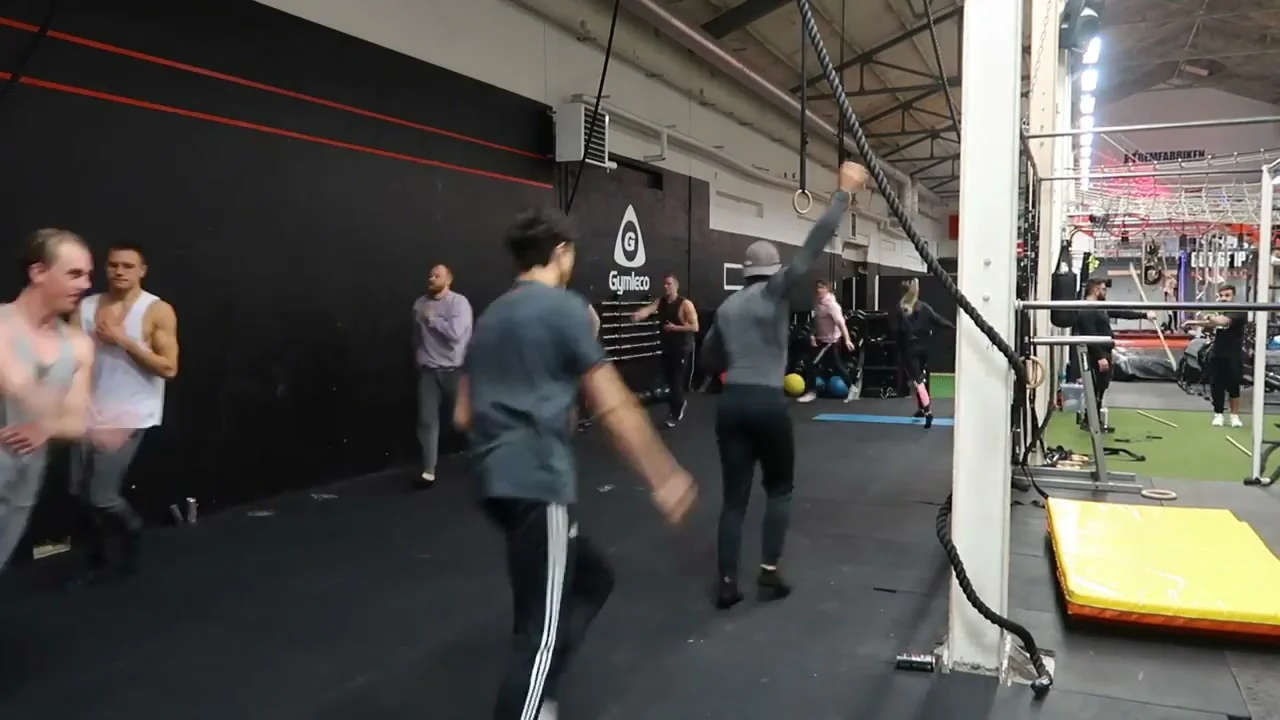
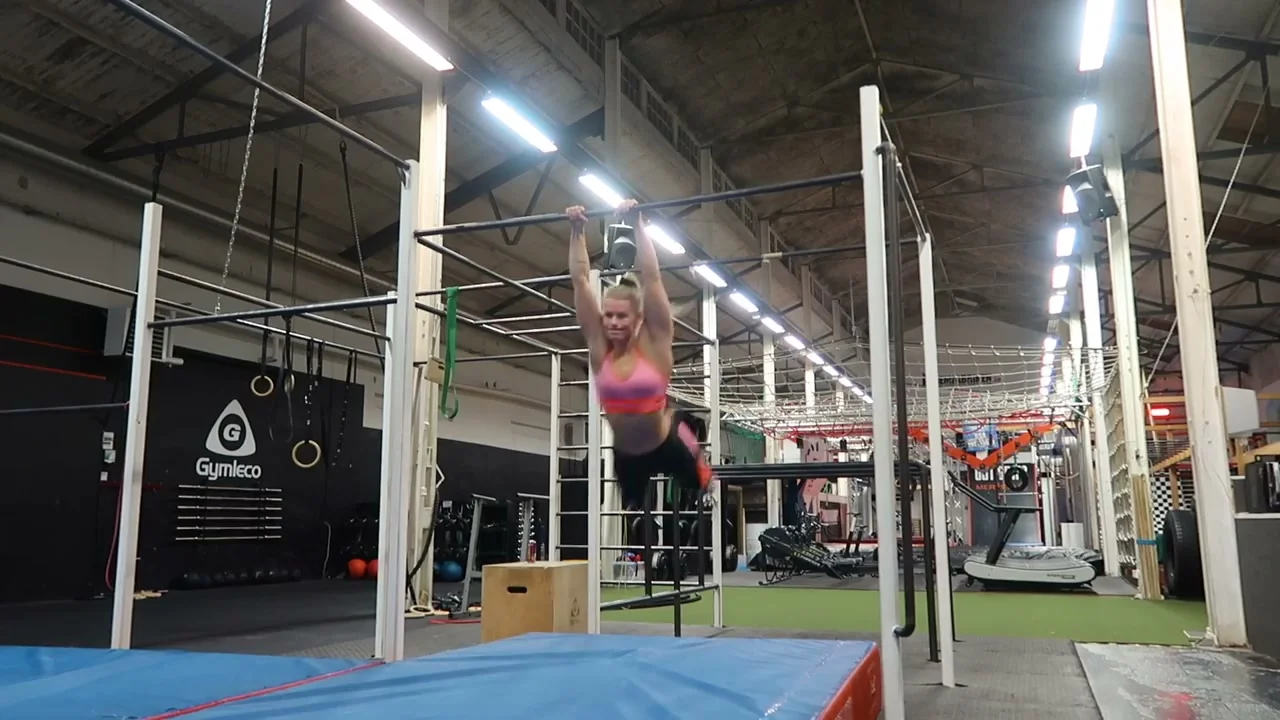
My typical freestyle session follows a structure. I start with a proper warmup to get my joints and muscles ready. Then I move into freestyle work, which is the core of my street workout training.
Freestyle means I practice individual tricks and skills first. Things like spins, transitions, and dynamic moves on the bar. After that, I work on combinations, linking three, four, or five moves together into a flowing sequence. Combos are where the magic happens in competition. They show control, creativity, and endurance.
After the freestyle portion, I usually finish with a high intensity cardio session. This keeps my conditioning sharp and helps me push through fatigue during competition routines.
That is the plan. But plans do not always survive contact with reality.
What Actually Happened: A Major Breakdown
This session broke me. I tried trick after trick and failed every single one. Moves I know I can do felt foreign. My timing was off. My grip felt wrong. I kept attempting the same skills over and over, burning through energy with nothing to show for it.
The worst part was the mental side. I had ghosts in my head. Fear crept in on moves I had landed hundreds of times before. When you are scared of something you know your body can do, frustration builds fast. It becomes a cycle: you fail, you get stressed, the stress makes you fail again.
I had a full emotional breakdown right there at the gym. On camera. And I almost did not share it.
Why I Shared the Bad and the Ugly
Social media is full of highlight reels. You see the clean reps, the nailed combos, the perfectly edited clips. I have posted plenty of those myself. But that is not the full picture.
The journey to any goal is a rollercoaster. If I only show you the peaks, I am lying to you. And I never want to do that.
I shared this video because someone out there needed to see it. Maybe you had a terrible training day. Maybe you are doubting yourself before a competition. Maybe you feel like you are the only one who struggles. You are not. Even a world champion has days where nothing works.
That honesty matters more to me than looking cool online.
Key Takeaways for Your Calisthenics Journey
Here is what I learned from this session and from many bad days like it.
Bad days do not erase your progress. One failed session does not undo months of training. Your body does not forget skills overnight. Sometimes your nervous system just needs a reset.
Mental blocks are real. Fear of moves you have already mastered is one of the most common struggles in street workout. It is not weakness. It is your brain trying to protect you. The fix is patience, not force.
Know when to stop. I could not do more freestyle that day. My brain was screaming at me to fight another day. So I listened. I moved on to cardio, got some anger out, and called it a session. Pushing through mental blocks with brute force usually leads to injury, not breakthroughs.
Channel the frustration. That cardio session at the end was one of the most intense I have ever done. Sometimes a bad freestyle day turns into the best conditioning workout of your week. Use the energy.
Come back stronger. The most important thing after a bad session is showing up for the next one. That is it. No dramatic comeback plan needed. Just show up.
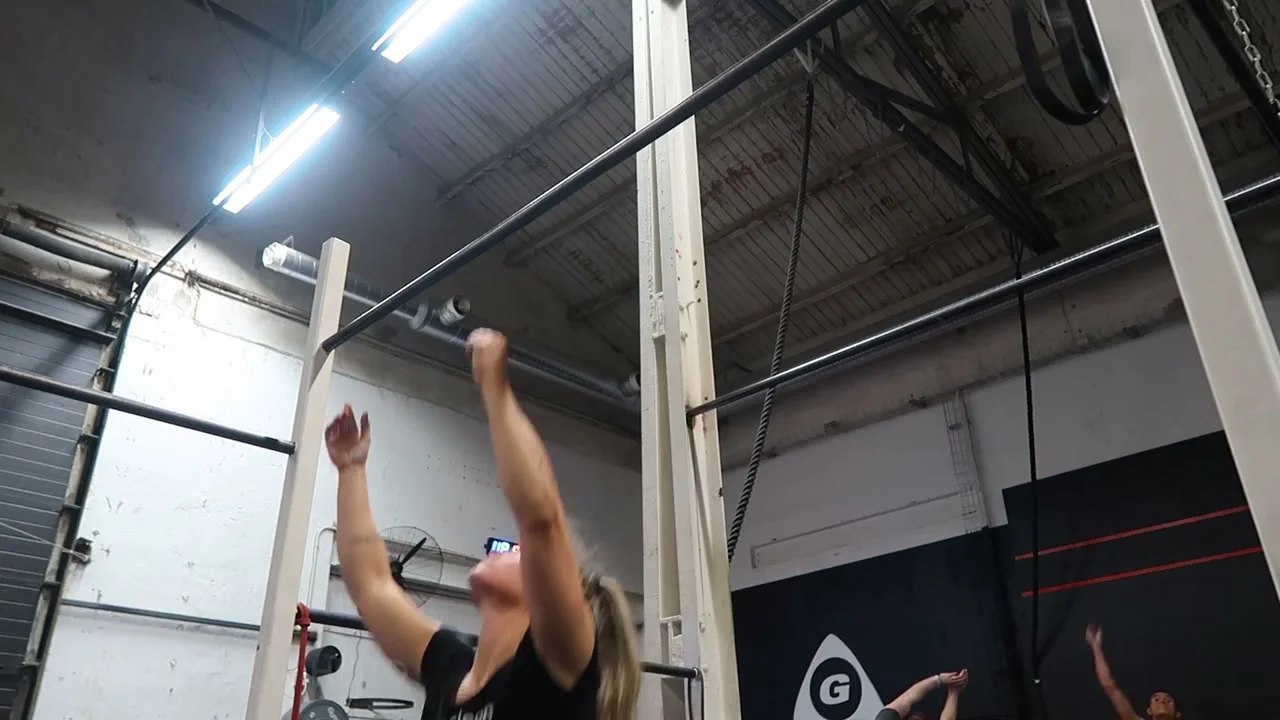
How to Handle Bad Training Days in Street Workout
If you find yourself in the middle of a session like mine, here is what I recommend.
First, step away from the bar for a few minutes. Breathe. Get some water. Sometimes a short mental break is enough to reset.
Second, try scaling down. If your advanced combos are not working, go back to basics. Practice fundamental holds or simple transitions. Remind your body what it knows.
Third, if the mental block is too strong, switch activities. Do conditioning work, flexibility training, or just call it a day. There is no shame in that.
Finally, talk about it. Tell a training partner, post about it, write it down. Keeping the frustration bottled up only makes the next session harder.
FAQ
How often do you have bad training days? More often than you would think. Even during peak competition prep, I have sessions where nothing clicks. It is completely normal and part of the process.
Does a bad session mean I am overtraining? Not necessarily. It can be caused by poor sleep, stress, nutrition, or simply an off day mentally. If bad sessions happen multiple days in a row, then it is worth looking at your recovery.
How do you stay motivated after failing in training? I remind myself why I started. I think about the competition, the goals, the feeling of nailing a combo perfectly. One bad day does not change any of that. I also allow myself to feel the frustration instead of pretending everything is fine.
What should beginners do when they hit a wall in calisthenics? Go back to progressions that feel comfortable. Build confidence again before pushing into harder skills. And remember that every single athlete, from beginner to world champion, has days like this.
Did you end up competing at FIBO? The event was unfortunately affected by circumstances outside my control. But the preparation itself taught me so much about resilience and mental toughness in this sport.
Thank you for reading this far. If this resonated with you, I hope it gave you permission to have bad days without guilt. The only thing that matters is that you come back and try again.