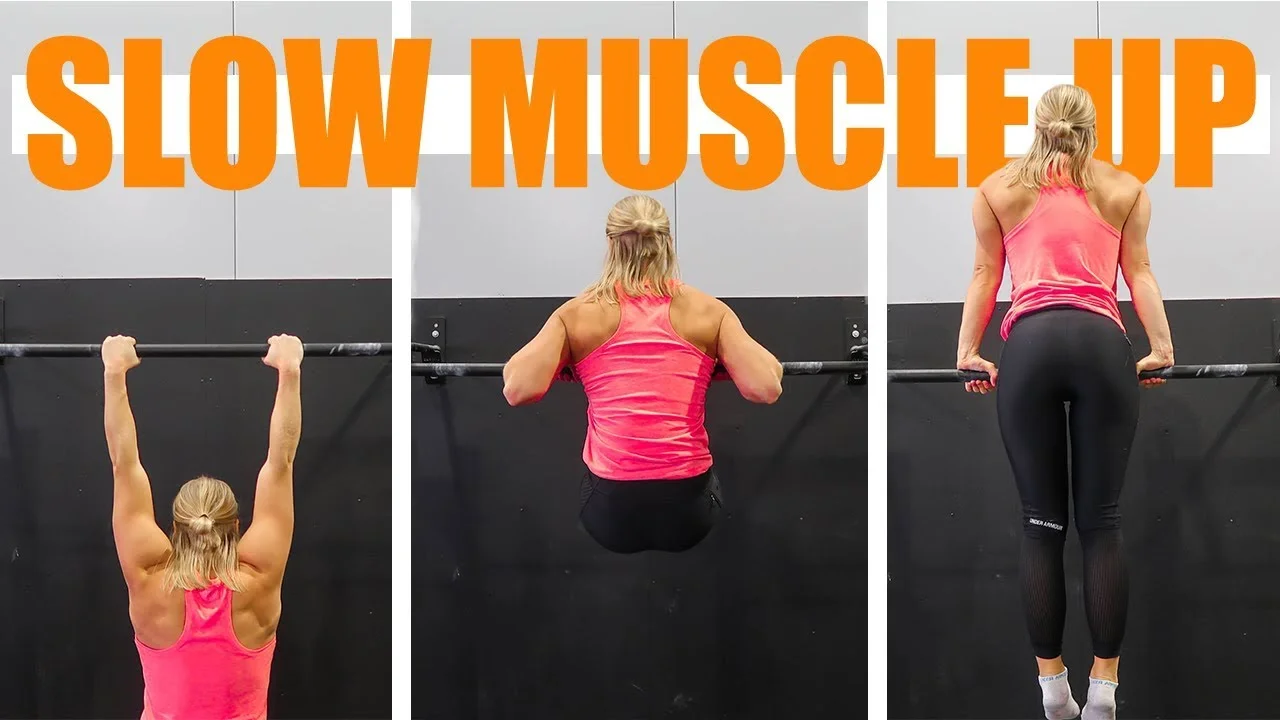
The slow muscle up is one of the most requested skills I get asked about. It looks smooth, controlled, and honestly, it feels even better than it looks. In this tutorial, I'll walk you through the exact four exercises that helped me learn my first slow muscle up, so you can start working toward yours today.
What Is a Slow Muscle Up?
A slow muscle up is a controlled transition from a pull-up to a dip on a bar. There's no kipping, no swinging, no momentum. Just pure strength pulling you up and over the bar. It's one of the most satisfying calisthenics skills you can learn because it combines pulling and pushing power in one fluid movement.
Unlike a regular muscle up where you can use a bit of explosive force, the slow version demands strength through the entire range of motion. That transition zone, where you go from pulling to pushing, is where most people struggle. And that's exactly what these four exercises are designed to fix.
Prerequisites Before You Start
Before you start training the slow muscle up, you need a solid foundation. Here's the minimum I'd recommend:
- 5 or more strict pull-ups with full range of motion
- 10 or more bar dips with control
- Healthy wrists and shoulders with no pain during pulling or pushing movements
If you can't do a normal pull-up yet, that's completely fine. I have a pull-up tutorial that will help you build up to it. Get your pull-ups solid first, then come back to this guide.
The 4 Exercises That Got Me My First Slow Muscle Up
Exercise 1: False Grip Hang
The false grip is the foundation of the slow muscle up. Without it, you won't be able to make the transition over the bar.
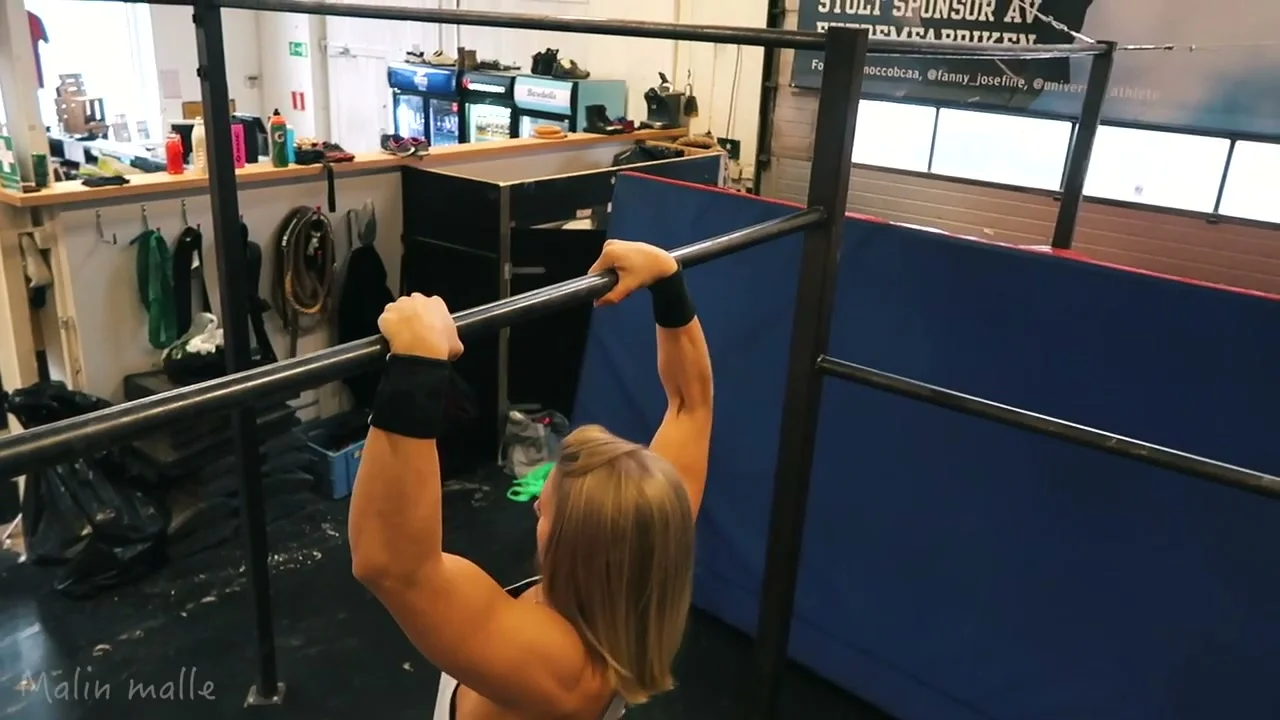
To set up, place your wrists over the bar instead of just your fingers. I prefer doing the false grip with my thumbs wrapped around the bar. Some people put their thumbs over the bar. Try both and see what feels best for you.
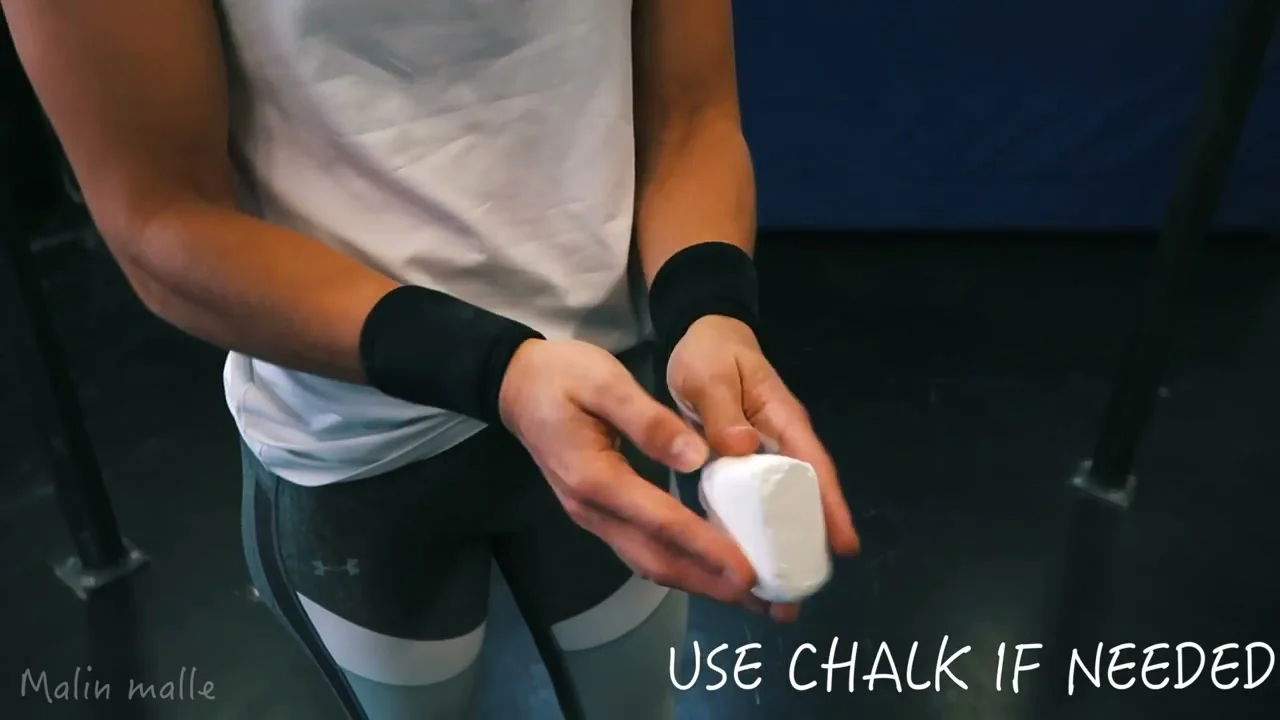
Just hanging in this position takes a lot of wrist strength. Start by holding for 10 to 15 seconds at a time. Build up gradually. A quick tip: if the bar feels slippery in the false grip, use chalk. That's what I do, and it makes a big difference.
Goal: Hold the false grip hang for 30 seconds comfortably before moving on.
Exercise 2: Pull-Ups with False Grip
Once you can hold the false grip, it's time to pull. Do your pull-ups with the false grip and focus on pulling all the way up to your chest. Not your chin. Your chest.
This is harder than regular pull-ups. The grip alone changes the angle and makes your forearms work much more. Try to make each rep as slow as possible. Control is everything here.
Start with 3 sets of 3 to 5 reps. Don't rush. Quality over quantity. If you can only do one or two, that's fine. You'll build up over time.
Goal: 3 sets of 5 slow false grip pull-ups, pulling to chest height.
Exercise 3: Deep Bar Dips
This is usually the hardest part of the slow muscle up for most people. The deep dip targets the transition zone, which is where you go from the pull phase to the push phase.
Start at the top of the bar in a support position. Lower yourself down in a dip and go all the way until your chest is slightly below the bar. Make a quick stop at the bottom. Then push yourself back up.
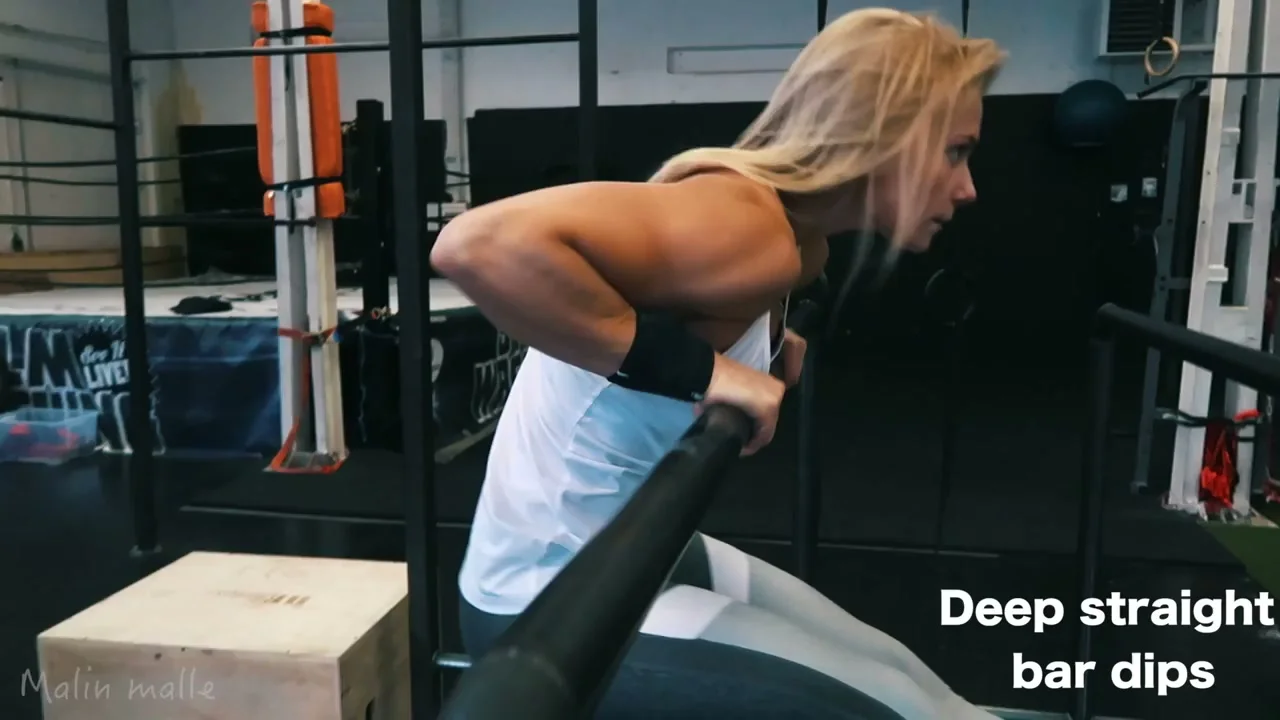
Going this deep might feel uncomfortable at first. Start with a range of motion that you can control and gradually go deeper. Your shoulders and triceps will thank you later.
Goal: 3 sets of 8 deep bar dips with a pause at the bottom.
Exercise 4: Negative Slow Muscle Up
The negative is the final piece of the puzzle. You're basically doing the slow muscle up in reverse.
Start from the top of the bar. Go down into a deep dip. Then make the transition from the dip to the pull-up position as slowly and controlled as possible. Fight gravity the entire way down.
If this is too hard in the beginning, use a resistance band for assistance. Loop it around the bar and place your foot in it. The band will take off some of your body weight and let you practice the movement pattern.
Goal: 3 sets of 3 to 5 negatives, taking at least 5 seconds on each rep.
Common Mistakes to Avoid
Elbows staying too close to the body. During the transition from pull-up to dip, you need to push your elbows slightly out from your body. This gives you room to get over the bar. It was one of the key things that helped me.
Not leaning forward. Leaning forward during the transition helps you get your center of mass over the bar. If you stay too upright, you'll get stuck every time.
Skipping the false grip. Without a proper false grip, the slow muscle up is nearly impossible. Don't skip the first two exercises. They build the grip strength you need.
Going too fast. The whole point is control. If you're rushing through your reps, you're not building the strength needed for the slow version. Slow down.
Training Tips and Programming
Here's how I'd structure a training week if the slow muscle up is your main goal:
- 2 to 3 sessions per week dedicated to these exercises
- Start each session with false grip hangs to warm up your wrists
- Alternate between the four exercises, resting 2 to 3 minutes between sets
- Track your reps and sets so you can see progress
Building the strength for a slow muscle up takes time. Be patient with yourself. Some people get it in a few weeks. For others, it takes months. Both are perfectly normal. Consistency matters more than speed.
If you want a complete structured program to guide you step by step, check out my program on Calixpert. It's designed to take you from wherever you are now to your first muscle up and beyond.
Recommended Equipment
You don't need much to train the slow muscle up. A solid pull-up bar is the main thing. But a few items can help:
- Chalk for better grip, especially in the false grip position
- Resistance bands for assisted negatives when you're starting out
- Wrist wraps if your wrists feel sore during false grip training
- Workout rings if you want to progress to ring muscle ups later
FAQ
How long does it take to learn the slow muscle up? It depends on your starting strength level. If you already have solid pull-ups and dips, it could take a few weeks of focused training. If you're building from scratch, expect a few months. Be patient and trust the process.
Can I learn the slow muscle up on rings? Yes, but start on the bar first. Rings add instability, which makes the movement even harder. Master it on the bar, then progress to rings.
My wrists hurt during the false grip. What should I do? Wrist soreness is common when you first start false grip training. Keep the sessions short and let your wrists adapt. If you feel sharp pain, stop and let it heal. Wrist wraps can offer some support during the learning phase.
Should I train the slow muscle up and the explosive muscle up at the same time? You can, but I'd recommend focusing on one at a time. The slow muscle up builds a stronger foundation because there's no room to rely on momentum. Once you have the slow version, the explosive one often comes much easier.
What if I can't do a single negative muscle up? Use a resistance band. Loop it over the bar, put your foot in, and practice the movement with assistance. As you get stronger, switch to a lighter band until you can do it without any help.
The slow muscle up takes dedication and patience. But when you finally pull yourself over that bar with full control, the feeling is worth every single rep. Keep training, stay consistent, and you'll get there.