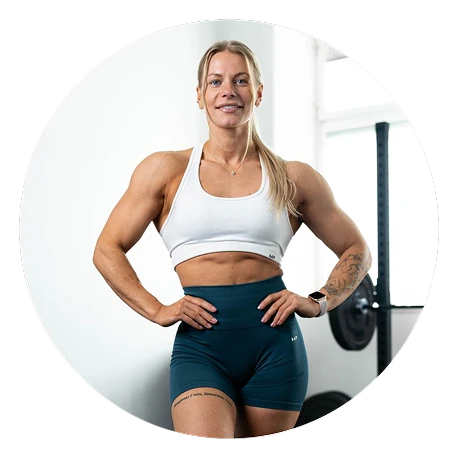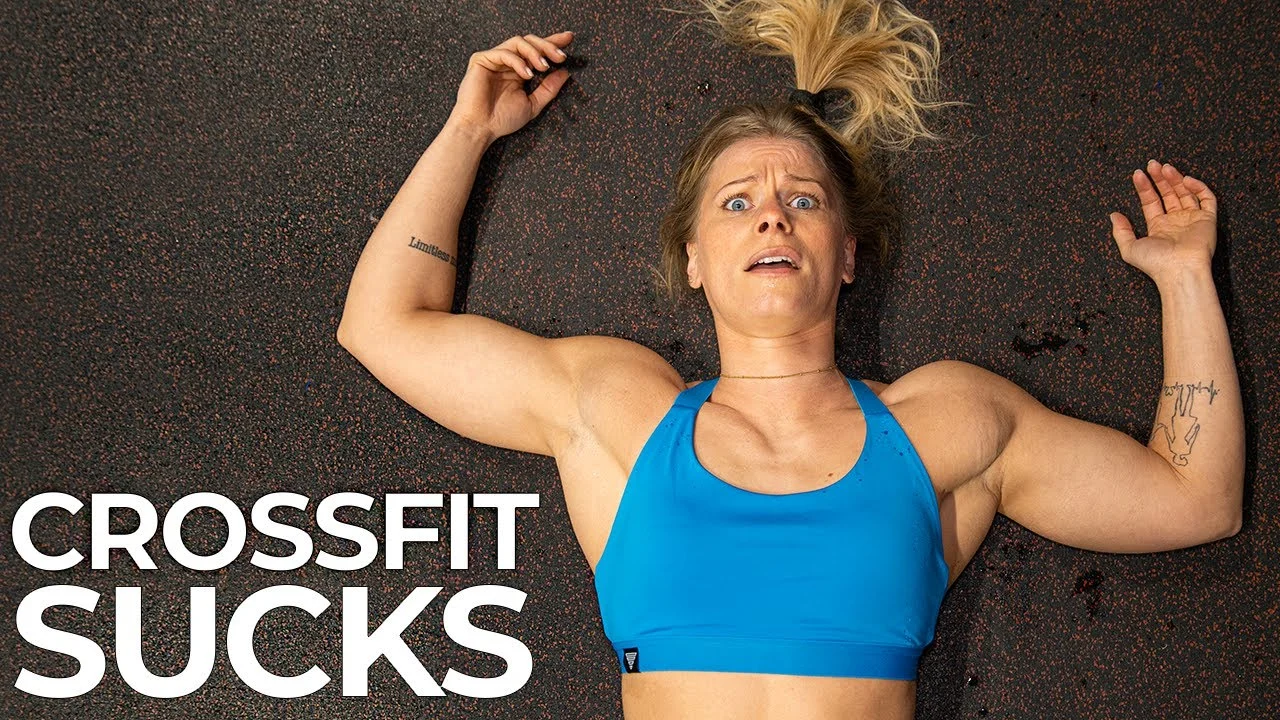
I've won the calisthenics world championship twice. So when I saw the CrossFit Open 24.1 workout, I thought it couldn't be that hard. Just dumbbell snatches and burpees, right? I have never been more wrong about a workout in my life.
Why a Calisthenics Athlete Tried CrossFit
I've been doing calisthenics for years. It's my sport, my career, my whole thing. But I'm always curious about other disciplines. CrossFit has always fascinated me because it tests fitness in a completely different way. Calisthenics is about body control, skill, and strength. CrossFit is about pushing your cardiovascular system to the absolute limit while moving heavy things fast.
When the CrossFit Open 24.1 came around, I saw it as a perfect opportunity. The workout only required one piece of equipment: a dumbbell. No barbell cleans. No handstand walks. Just snatches and burpees. Two exercises I was already familiar with. I figured my bodyweight training background would carry me through.
Spoiler: it did not carry me through comfortably.
What Is the CrossFit Open 24.1 Workout?
The CrossFit Open is a worldwide competition where athletes complete the same workout and submit their scores. The 24.1 workout was structured in descending rounds of dumbbell snatches and burpees over the dumbbell.
Here's the breakdown:
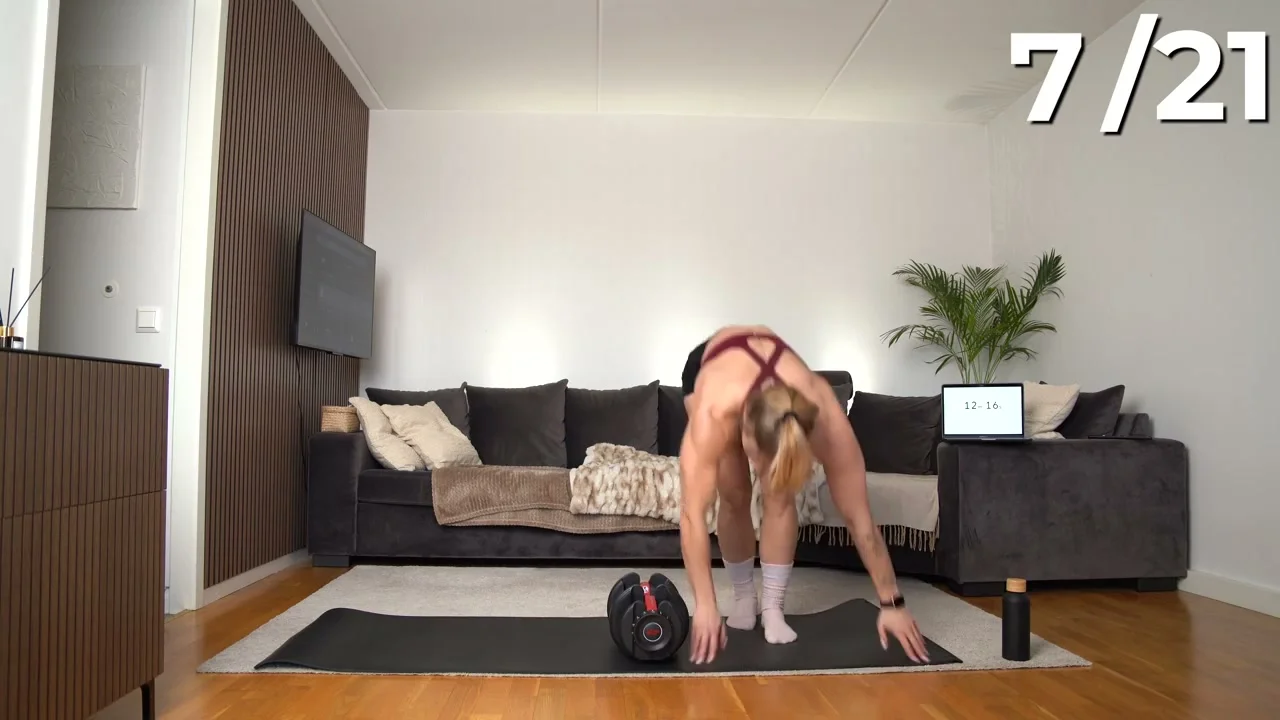
- 21 dumbbell snatches (alternating arms)
- 21 burpees over the dumbbell
- 18 dumbbell snatches
- 18 burpees over the dumbbell
- 15 dumbbell snatches
- 15 burpees over the dumbbell
- 12 dumbbell snatches
- 12 burpees over the dumbbell
- 9 dumbbell snatches
- 9 burpees over the dumbbell
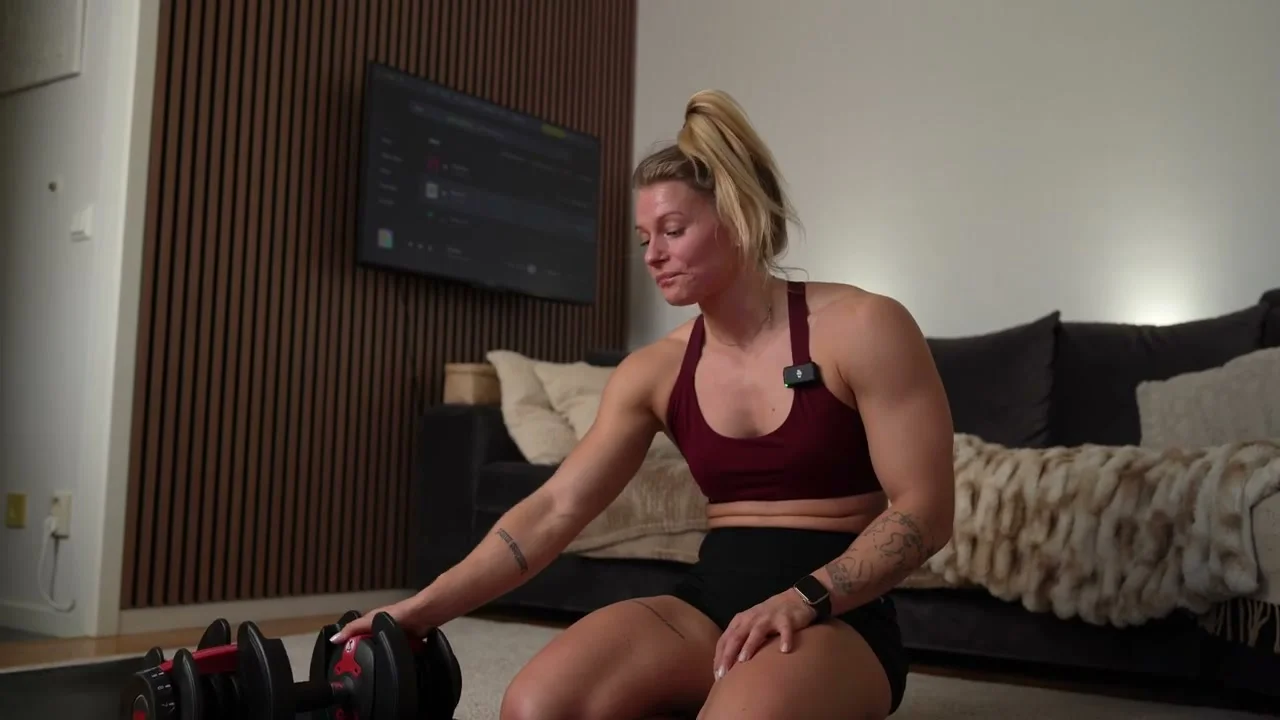
The time cap is 15 minutes. The best CrossFit athletes finish this in under 6 minutes. Women use a 15 kg dumbbell at the prescribed level, and men use 22.5 kg. Since I'm not used to lifting weights at all, I chose the scaled version with a 10 kg dumbbell.
How It Actually Went
The first few snatches felt easy. I had a good tempo. My breathing was under control. I thought to myself, "Okay, this is fine. I can do this."
Then the burpees started.
After the first round of 21 burpees, my lungs were on fire. I mean genuinely burning. I was so out of breath that I couldn't believe I still had four more rounds to go. That first set of burpees was a brutal wake up call.
The snatches weren't the problem. Even with minimal weightlifting experience, 10 kg is light enough that my shoulders and arms could handle it. The real killer was the burpees. Every single time I had to get down to the ground and jump back up, it felt like my cardiovascular system was shutting down.
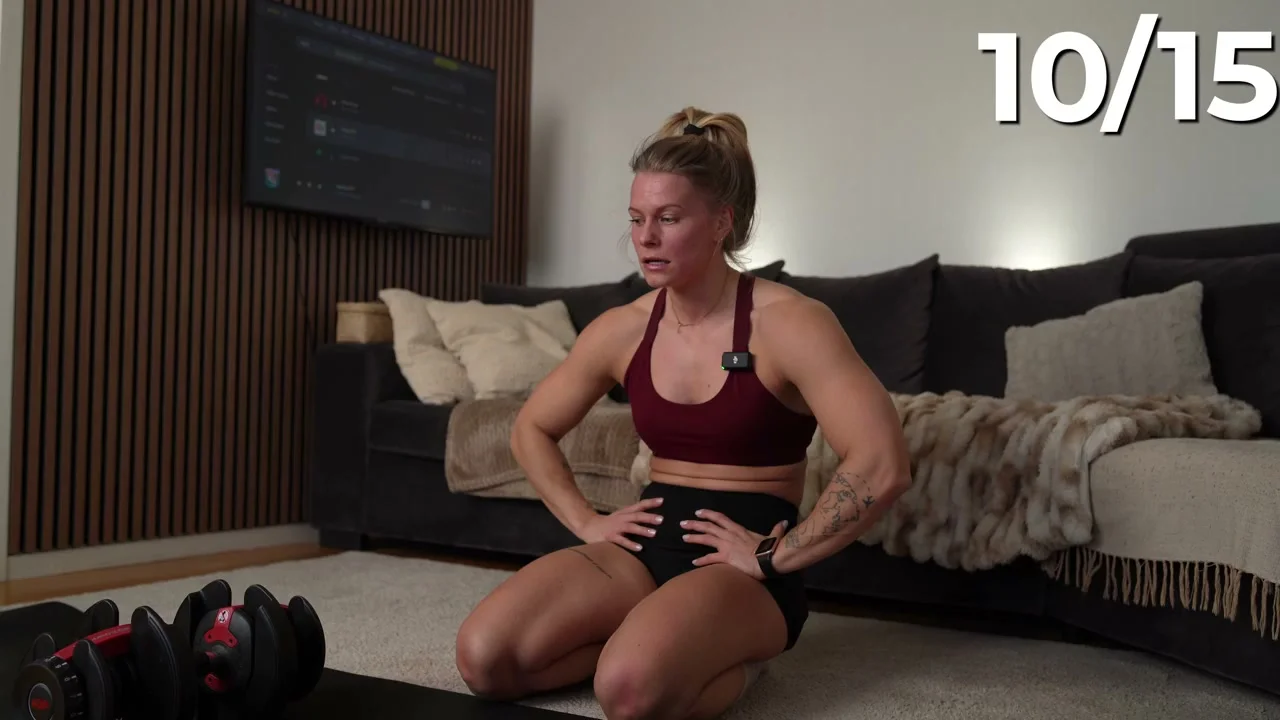
After completing the first block of 21 reps, I looked at Daniel and told him straight: "I will not be able to finish this." I meant it. My lungs hurt so badly that continuing felt impossible.
But then he reminded me that each round gets shorter. From 21 to 18 to 15 to 12 to 9. The reps go down. That mental shift was just enough to keep me going.
The Ugly Truth About My Cardio
Here's something most people don't realize about calisthenics athletes. We have very little cardiovascular endurance compared to CrossFit athletes. My training is all about strength, skill, and body control. I hold handstands. I work on planche progressions. I do weighted pull-ups. None of that prepares you for sustained, high-intensity effort over 10+ minutes.
I have no stamina for this type of work. I said it during the workout and I'll say it again now. My lungs were screaming. I could taste blood in my mouth by the end. That's not an exaggeration.
I had to take small breaks throughout the workout just to keep breathing. My legs, which are honestly undertrained compared to my upper body, had no power left for the jumps over the dumbbell. By the last few rounds, my burpee form was absolutely terrible. Daniel even called me out for cheating on some of the reps.
But I kept going.
My Final Time and Results
I finished the entire workout in 11 minutes and 30 seconds. The time cap was 15 minutes, so I made it with about 3 and a half minutes to spare.
For context, elite CrossFit women finish the prescribed version (with a heavier dumbbell) in under 6 minutes. I took nearly double that time with a lighter weight. That puts into perspective just how fit those athletes are.
Was I happy with my result? Honestly, yes. I finished. That was the real victory. After that first round, I genuinely didn't think I could complete the workout. Pushing through that mental wall was harder than any of the physical reps.
Key Takeaways: Calisthenics vs CrossFit
Strength doesn't equal fitness. I'm strong. I can do skills that most people will never achieve. But put me in a high-intensity timed workout and I fall apart. Fitness has many dimensions, and calisthenics only covers some of them.
Burpees are no joke. I always thought burpees were a simple exercise. They are simple. They're also devastating when you do 75 of them mixed with snatches.
CrossFit athletes deserve massive respect. They do workouts like this regularly. Not once as a fun challenge, but as part of their normal training. The cardiovascular capacity required is something I clearly don't have.
Mental toughness matters more than you think. The moment I almost quit was after the first round. The rest of the workout was just as hard physically, but the mental decision to continue made all the difference.
Calisthenics athletes should train cardio. This experience showed me a clear gap in my training. I don't need to become a CrossFit athlete, but some conditioning work would benefit me and probably most calisthenics athletes.
Would I Do CrossFit Again?
Honestly? Part of me says no. This was genuinely one of the most painful workout experiences I've ever had. The chest burn, the lung pain, the blood taste, all of it was brutal.
But the other part of me loves a challenge. And there's something humbling about stepping into a completely different fitness discipline and realizing how much you don't know. It keeps the ego in check.
I probably won't become a regular CrossFit athlete. Calisthenics is my home. But I might incorporate more high-intensity work into my training after this experience. It exposed a weakness I shouldn't ignore.
Tips If You Want to Try the CrossFit Open as a Calisthenics Athlete
- Start with the scaled version. Don't let your ego push you into the prescribed weights. A 10 kg dumbbell was plenty for my first time.
- Pace yourself from the start. I went too hard in the first round and paid for it the rest of the workout.
- Practice burpees beforehand. Seriously. Do sets of 20+ burpees in your training to prepare your lungs.
- Have someone there to push you. Daniel's encouragement was the reason I didn't quit after the first block.
- Accept that it will be ugly. Your form will break down. Your jumps will get smaller. That's okay. Just finish.
FAQ
Is CrossFit harder than calisthenics?
They test different things. Calisthenics is harder in terms of skill and body control. CrossFit is harder in terms of cardiovascular endurance and sustained intensity. Neither is universally harder, they just challenge you differently.
Can calisthenics athletes do CrossFit?
Yes, but expect a steep learning curve with the cardio component. The strength base from calisthenics helps with some movements, but the high-intensity pacing is a completely different skill.
What weight dumbbell should beginners use for the CrossFit Open 24.1?
The scaled version uses a lighter dumbbell. I used 10 kg as a first-timer. If you have no weightlifting background, start light and focus on completing the workout within the time cap.
How long did Malin take to complete the CrossFit Open 24.1?
I finished in 11 minutes and 30 seconds using a 10 kg dumbbell (scaled version). The time cap was 15 minutes.
Does calisthenics build cardio endurance?
Traditional calisthenics training focused on skills and strength does not build significant cardiovascular endurance. If you want better cardio as a calisthenics athlete, you need to add conditioning work like HIIT, running, or circuit-style training to your routine.