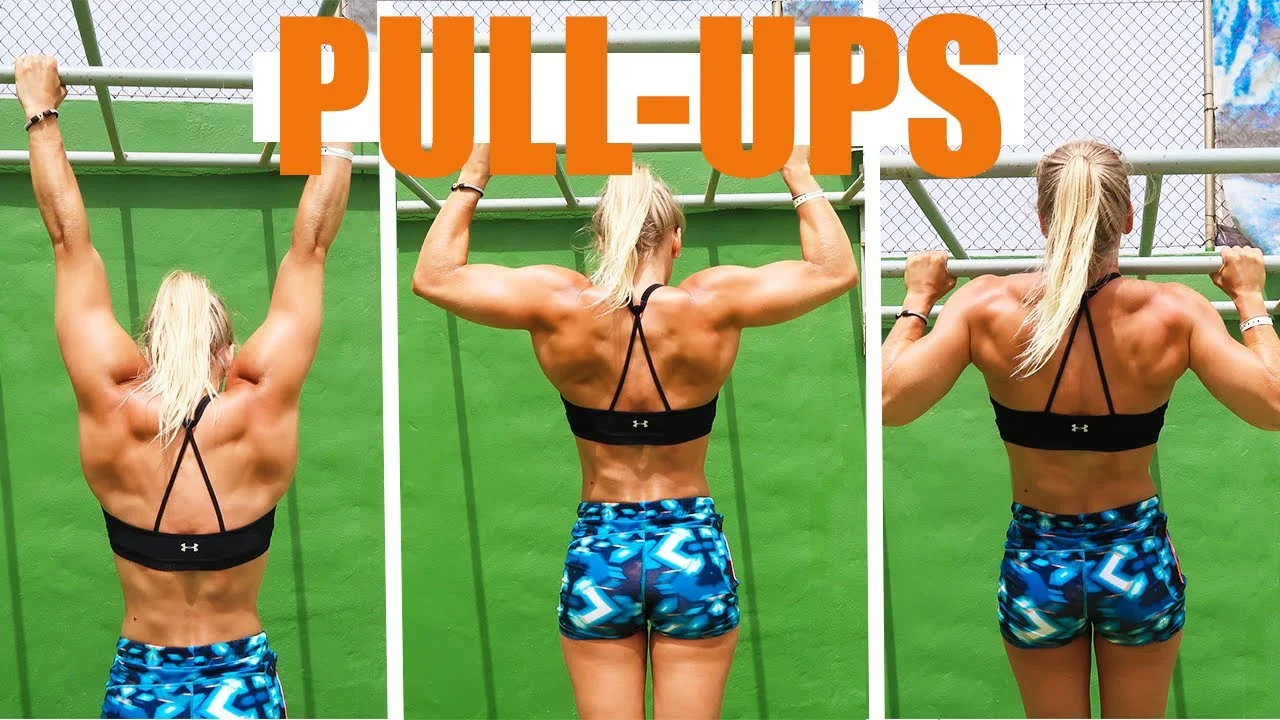
When I started calisthenics, I couldn't do a single strict pull up. Not one. A year and a half later, I could do around 15. Here are the four exercises that got me there, and they can work for you too.
Why the Pull Up Matters in Calisthenics
The pull up is one of the most fundamental upper body exercises you can learn. It builds your back, arms, and core all at once. It's also the foundation for more advanced calisthenics skills like muscle ups and front levers. If you want to progress in bodyweight training, this is where you start.
The good news? You don't need to be able to do one right now. You just need to train the right exercises in the right order. That's exactly what I'm going to walk you through.
What You Need Before You Start
You don't need much equipment. A pull up bar is essential. If you're training at home, a doorway bar works fine. You'll also want a resistance band for one of the progressions.
No specific strength level is required. These exercises are designed to build you up from zero. Whether you're a girl or a guy, the path is the same. Patience and consistency are what matter most.
Exercise 1: Scapula Control
This is where everything begins. Hang from the bar with straight arms. Then, without bending your elbows, pull your shoulder blades down and together. You'll feel your body rise slightly. That's your scapula engaging.
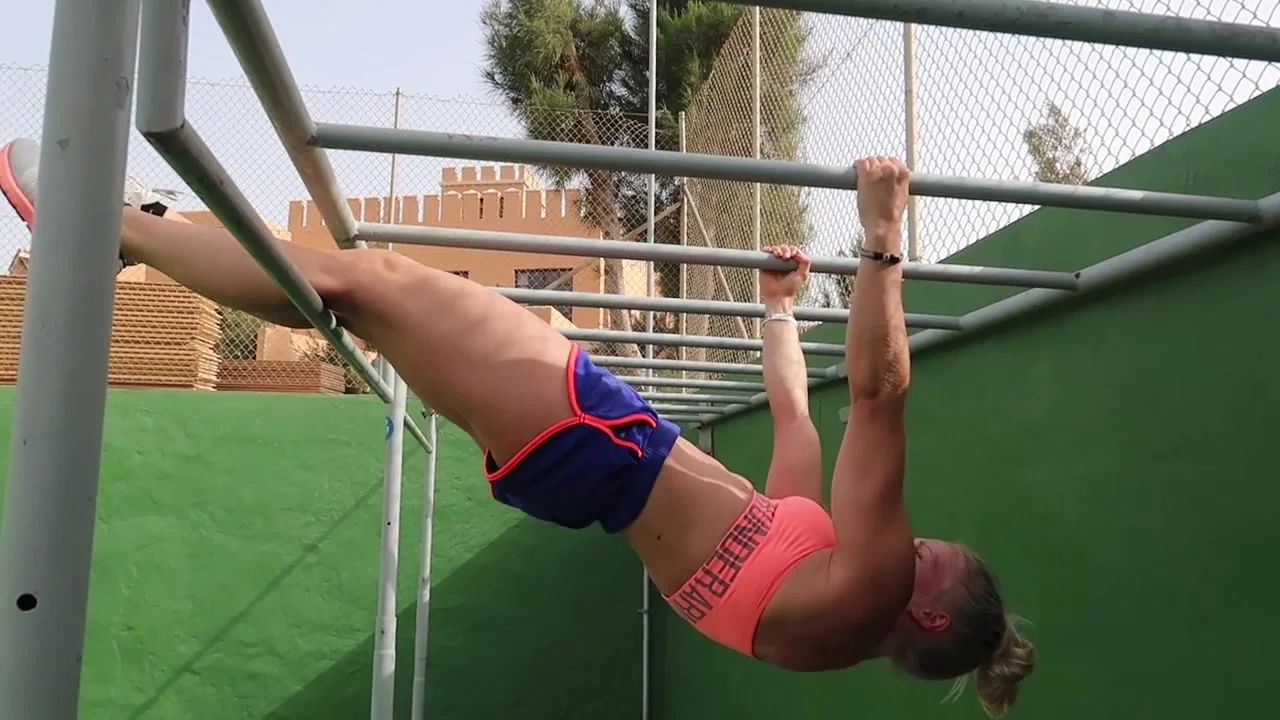
Why does this matter? Because your lats are the main muscles in a pull up. The scapula control drill teaches your body to activate them. Without this connection, you'll rely too much on your arms and burn out fast.
Aim for 3 sets of 8 to 10 reps. Hold each rep at the top for a second or two.
Exercise 2: Laying Rows (Inverted Rows)
This exercise is perfect if you don't have the full strength for a pull up yet. It uses a similar pulling motion but at an easier angle.
Find a bar at about waist height. Hang underneath it with your body straight. Pull your chest toward the bar, keeping your elbows at roughly 45 degrees from your body. Keep your core tight the entire time. Go as high as you can and control the way back down.
A few things to watch for: keep your head in a neutral position, don't crane your neck up. And if a low bar isn't available, you can use workout rings or a sturdy table edge.
Start with 3 sets of 8 to 12 reps. When those feel comfortable, lower the bar or elevate your feet to increase difficulty.
Exercise 3: Negative Pull Ups
This is where things start to feel like a real pull up. Jump up so your chin is over the bar. Then lower yourself down as slowly as you can, all the way to a dead hang.
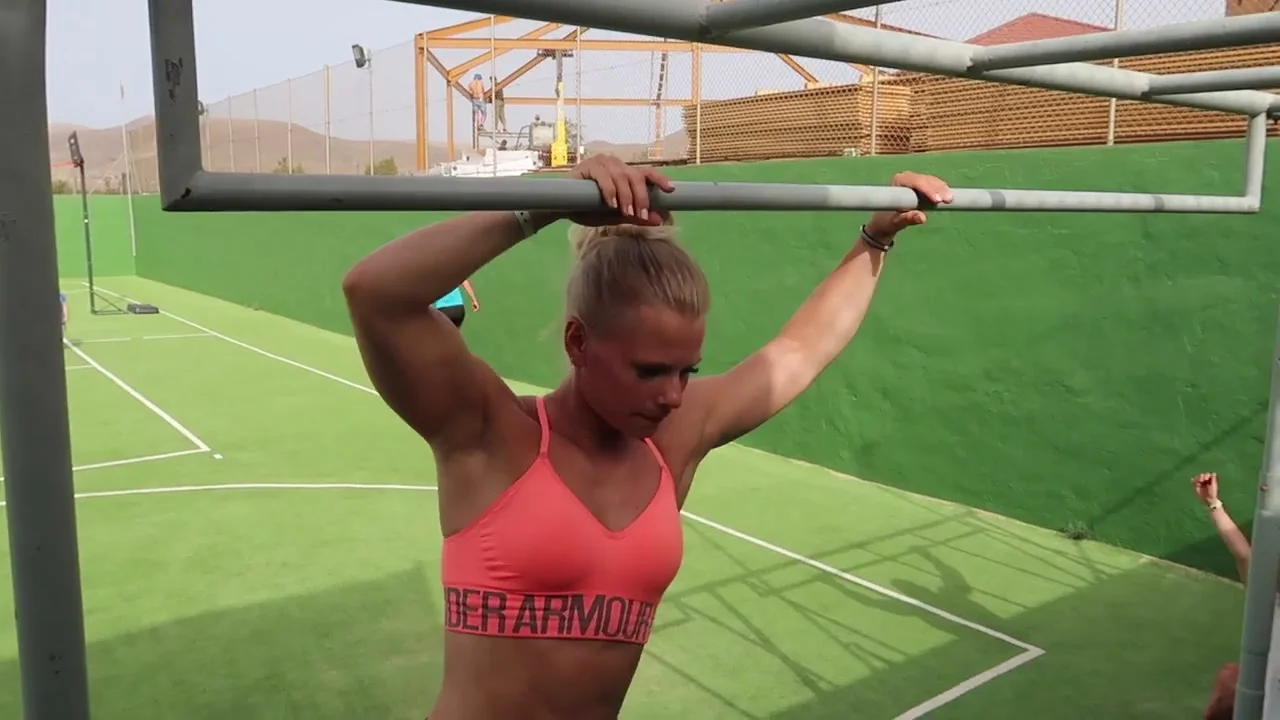
The key here is the slow descent. Aim for 3 to 5 seconds on the way down. If you can only manage 1 to 2 seconds, that's fine. You'll get stronger with every session.
I recommend jumping up as high as possible, ideally getting your chest to the bar. This gives you a longer range of motion to work through.
Do 3 to 5 sets of 3 to 5 reps. Quality over quantity. Each rep should be controlled.
Exercise 4: Resistance Band Pull Ups
The last step before doing a full strict pull up is the banded version. Loop a resistance band over the bar and place your foot or knee in the loop. The band assists you at the bottom, where you're weakest.
Your technique should be exactly the same as a regular pull up. Core tight. Feet slightly in front of your body. No kipping. Pull until your chin clears the bar, then lower with control.
Start with a thick band. When that feels easy, switch to a thinner one. Then thinner again. Eventually, you won't need the band at all. That's when you've earned your first strict pull up.

Common Mistakes to Avoid
Kipping or swinging. If you practice with a loose core and momentum, you'll learn a sloppy pull up. Train strict form from the beginning. It's harder at first, but it builds real strength.
Ignoring the scapula. Jumping straight to negatives or banded pull ups without learning scapula control is a shortcut that backfires. Your lats won't fire properly, and your progress will stall.
Going too fast on negatives. The slow descent is where the strength gains happen. If you drop like a stone, you're missing the whole point of the exercise.
Not keeping your core tight. This applies to every exercise in this list. A loose core means an unstable body. Brace your abs, squeeze your glutes, point your toes slightly forward.
Sample Training Plan for Your First Pull Up
Here's a simple weekly plan you can follow:
Day 1:
- Scapula control: 3 x 10
- Laying rows: 3 x 10
- Negative pull ups: 4 x 3 (slow)
Day 2:
- Scapula control: 3 x 10
- Banded pull ups: 4 x 5
- Laying rows: 3 x 8
Train two to three days per week with at least one rest day between sessions. Your muscles need time to recover and grow stronger.
For a complete structured program, check out the beginner program on Calixpert.
Tips for Faster Progress
Be patient. Building pulling strength takes time, especially if you're starting from scratch. Give yourself weeks, not days.
Track your reps. Write down how many seconds you can hold a negative, or how many banded reps you complete. Progress is motivating when you can see it.
Use chalk. Grip often fails before your muscles do. A little chalk goes a long way.
Stay consistent. Two solid sessions per week will beat five random sessions per month. Every time.
Frequently Asked Questions
How long does it take to get your first pull up?
It depends on your starting point. For most beginners, 4 to 12 weeks of consistent training is realistic. I went from zero to multiple pull ups in a few months. Don't compare your timeline to anyone else's.
Can girls do pull ups?
Absolutely. I'm living proof. The exercises and progressions are the same regardless of gender. It might take a bit longer if you have less upper body muscle to start with, but the process works.
Should I use an underhand or overhand grip?
Start with an overhand (pronated) grip, slightly wider than shoulder width. This targets your lats more effectively. You can add chin ups (underhand grip) later for variety.
What if I can't even hang from the bar?
That's okay. Practice dead hangs first. Just hold onto the bar for as long as you can. Build up to 30 seconds, then start the scapula control exercise. Everyone starts somewhere.
How many pull ups should I aim for?
First, aim for one clean, strict rep. Then build to 5. Then 10. I currently do around 15 strict pull ups, and I started at zero. Small goals add up to big results.
Good luck with your training. Be patient, stay consistent, and trust the process. You've got this.