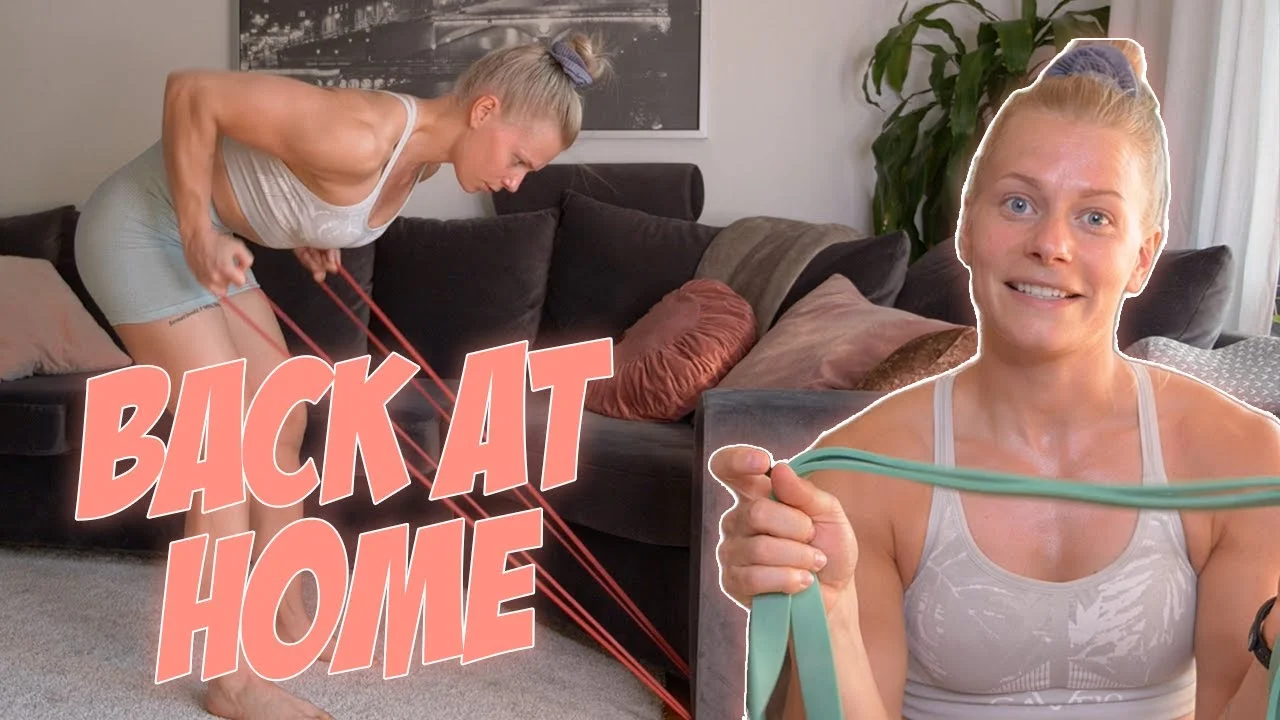
Training your back at home can feel tricky when you don't have a pull-up bar. But you really don't need one. In this workout I'll walk you through three exercises that target your lats and upper back using just a resistance band and a table.
Why Train Your Back at Home?
Your back is one of the biggest muscle groups in your body. Neglecting it leads to poor posture, weak pulling strength, and imbalances. If you're into calisthenics, a strong back is everything. Pull-ups, muscle-ups, front levers: they all start with back strength.
During 2020, a lot of us lost access to gyms and parks. I created this routine so you could keep building your back without any bars. All you need is a resistance band and a sturdy table. That's it.
This workout is simple but effective. You'll do five sets of each exercise, pushing close to failure every set. That's how you create the stimulus for muscle growth and strength gains.
The Workout Overview
Here's the full routine:
- Resistance band lat pull-downs (5 sets, close to failure)
- Resistance band rows (5 sets, close to failure)
- Table inverted rows (5 sets, close to failure)
Rest about 60 to 90 seconds between sets. The whole session takes around 20 to 30 minutes depending on your pace.
Exercise 1: Resistance Band Lat Pull-Downs
This is a great way to mimic the lat pull-down machine at home. You'll need your resistance band secured over a door.

How to Set It Up
Take your resistance band and loop it over the top of a door. I use a wrist wrap to secure it so it doesn't slip. Close the door firmly. Give it a tug to make sure it's locked in place before you start pulling.
Technique Tips
- Kneel or stand facing the door.
- Grab both ends of the band with an overhand grip.
- Pull your elbows down and back, squeezing your lats at the bottom.
- Control the movement on the way up. Don't let the band snap your arms back.
- Keep your chest up and core tight throughout.
Use a heavier resistance band if you can do more than 15 reps easily. The goal is to get close to failure within a reasonable rep range.
Exercise 2: Resistance Band Rows
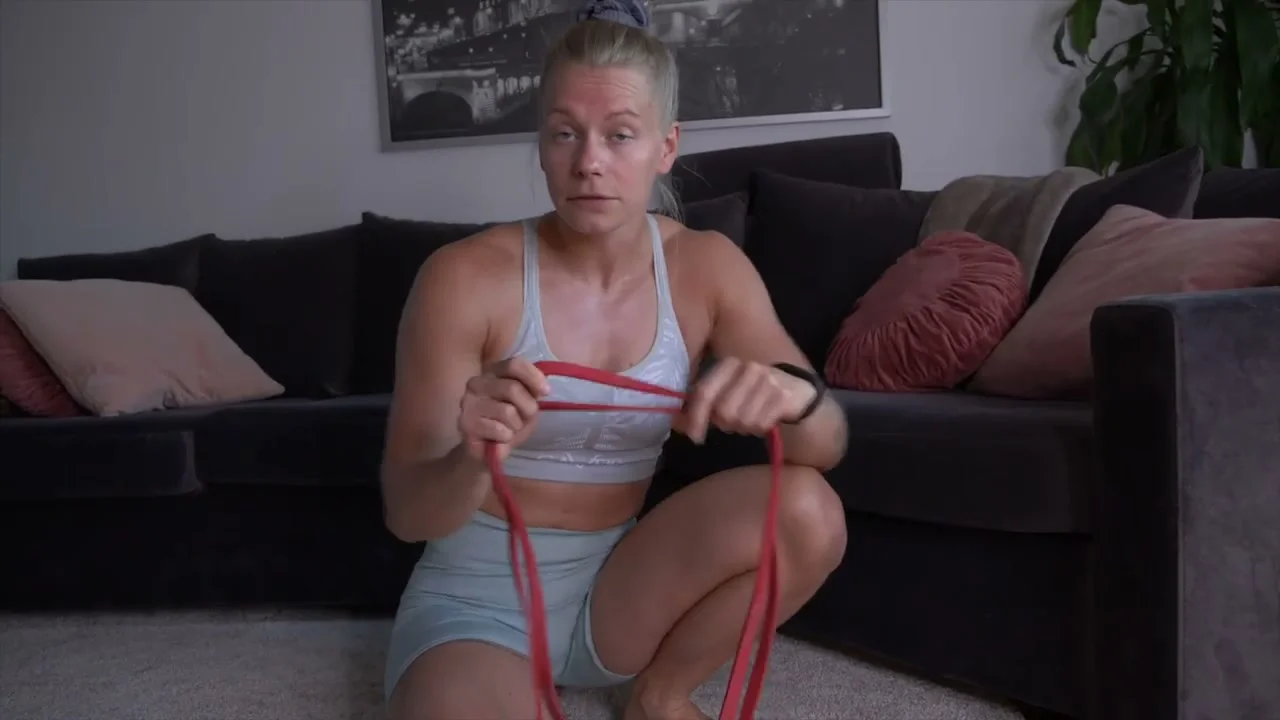
This one shifts the focus to your mid-back and rear delts. I use a slightly lighter band for this exercise.
How to Set It Up
Secure the resistance band under a heavy piece of furniture like a couch. Sit on the floor facing the couch with your legs extended or slightly bent. Grab both ends of the band and extend your arms until you feel solid tension.
Technique Tips
- Sit tall with a straight back. No slouching.
- Pull the band toward your lower chest or upper stomach.
- Squeeze your shoulder blades together at the end of each rep.
- Slowly return to the starting position, keeping tension in the band.
- Think about driving your elbows behind you, not just pulling with your hands.
If the resistance feels too light, choke up on the band or double-loop it. You want every set to feel challenging by the last few reps.
Exercise 3: Table Inverted Rows
This is my favorite exercise in the routine. It's a true bodyweight movement and it hits your entire back hard.
How to Set It Up
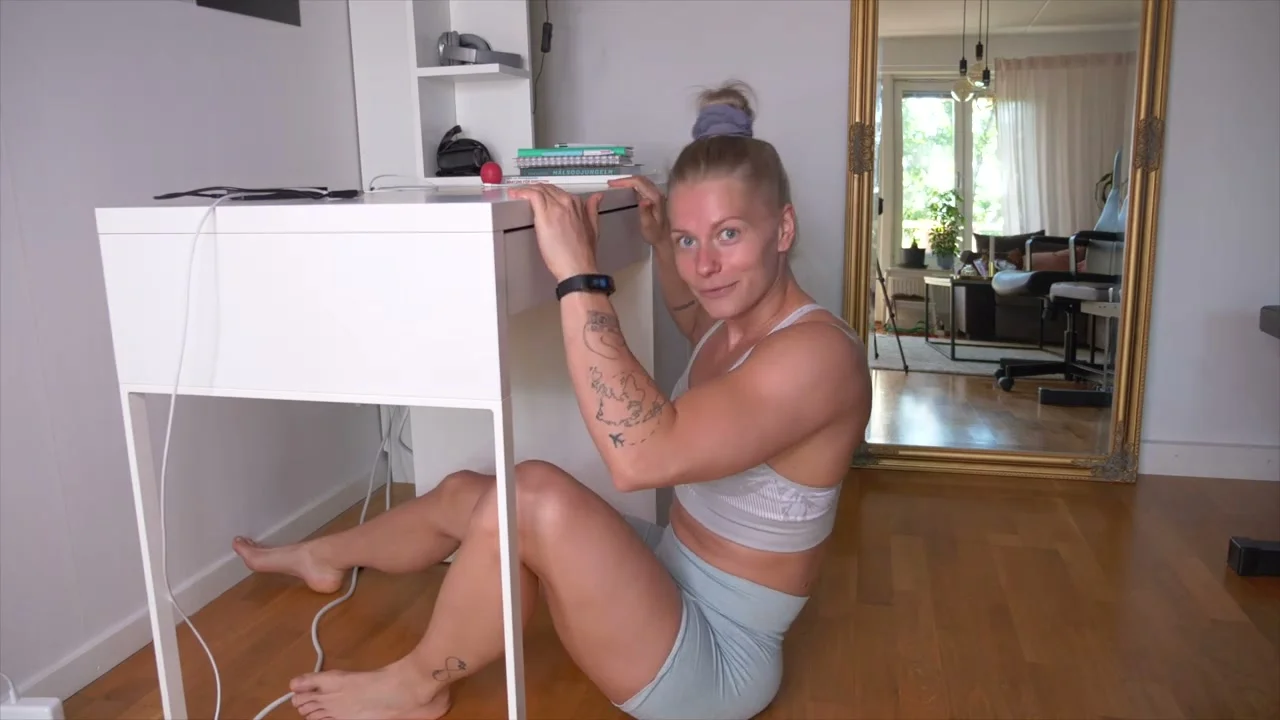
Find a table that's heavy and stable enough to support your weight. Before you get underneath, push down firmly on the edge to make sure it won't tip over. Safety first, always.
Lie under the table, grab the edge with both hands, and position your body in a straight line. Your heels stay on the floor.
Technique Tips
- Keep your body rigid like a plank. No sagging hips.
- Pull your chest up toward the edge of the table.
- Squeeze your back at the top for a full second.
- Lower yourself slowly. Control the descent.
- If it's too easy, elevate your feet on a chair or wear a backpack with books.
This exercise is basically a horizontal pull-up. It's one of the best bodyweight back exercises you can do anywhere.
Common Mistakes to Avoid
Using too light a resistance band. If you're cranking out 25 reps without effort, the band is too light. You need to challenge your muscles to make them grow.
Rushing the reps. Slow down. Especially on the eccentric (lowering) phase. That's where a lot of the muscle-building happens.
Pulling with your arms instead of your back. Focus on initiating each pull from your shoulder blades. Imagine squeezing a pencil between them. Your arms are just hooks.
Skipping sets because it gets hard. Five sets is the goal. If the last two sets are brutal, good. That's the point. Get close to failure.
Not testing the table. I can't stress this enough. Push on it, lean on it, make sure it's not going anywhere before you hang from it.
Training Tips for Better Results
- Do this workout two to three times per week with at least one rest day between sessions.
- Track your reps each session. Try to add one or two reps per set over time.
- Pair this with a push workout for balanced upper body development.
- If you want a full structured program, check out my home workout program for a complete plan.
- You can also grab my free 7-day bodyweight program to get started right away.
Who Is This Workout For?
This routine works for beginners and intermediate athletes. If you're just starting out with calisthenics, this is a solid foundation for building pulling strength. If you're more advanced but stuck at home without a bar, this keeps your back trained and strong.
It's also great for anyone recovering from travel, on vacation, or just looking for a quick session they can do in their living room.
FAQ
Can I build a strong back without a pull-up bar?
Yes. A resistance band and a table give you enough tools to train your lats, rhomboids, and rear delts effectively. It's not a perfect replacement for weighted pull-ups, but it absolutely works for building and maintaining strength.
What resistance band should I use?
I recommend having at least two bands: a heavier one for lat pull-downs and a lighter one for rows. The band should make the last few reps of each set genuinely difficult.
How many reps should I do per set?
I don't prescribe a fixed rep number for this workout. Go close to failure on every set. That might be 8 reps or 20 reps depending on your band and your strength level. The key is effort, not a specific number.
Can I combine this with other home workouts?
Absolutely. Pair it with a push day (push-ups, dips, pike push-ups) and a leg day for a complete training split. Three days on, one day off works well for most people.
How long before I see results?
With consistent training two to three times per week, you should notice strength improvements within two to three weeks. Visible muscle changes usually take four to eight weeks. Stay consistent and push yourself close to failure every session.