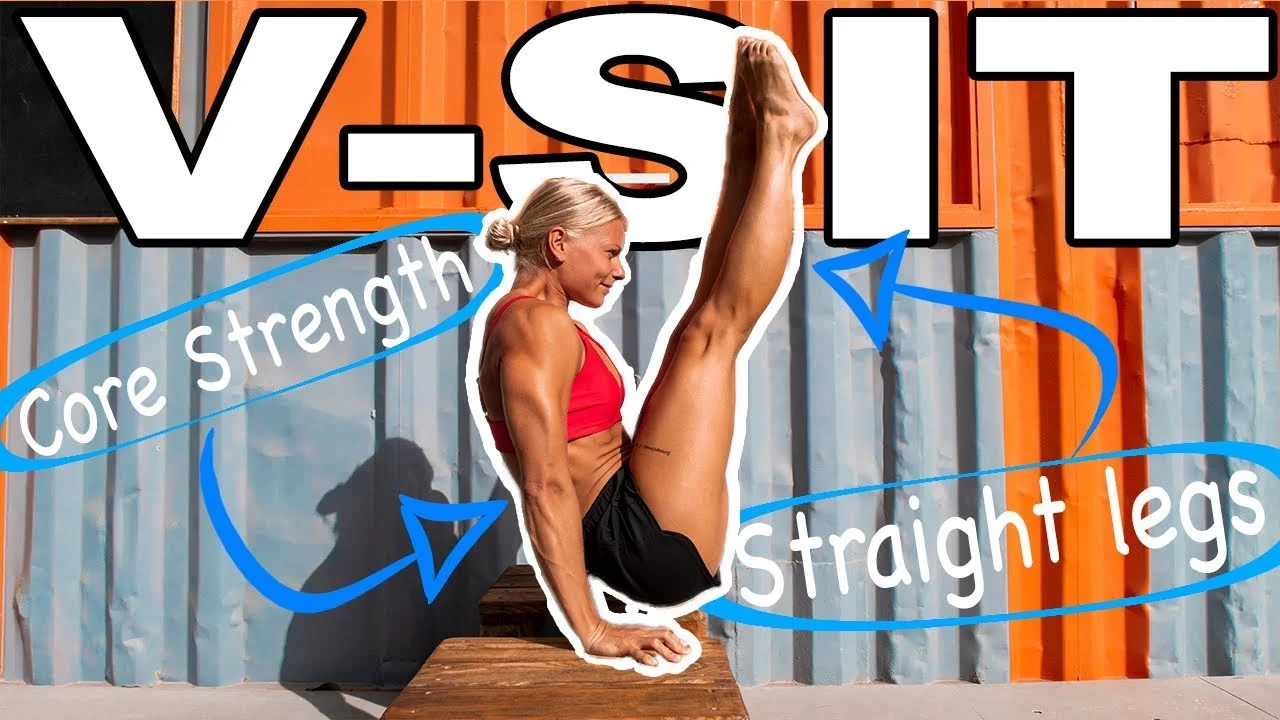
The V-sit is one of those calisthenics skills that looks simple but humbles you fast. It takes real compression strength, solid hamstring flexibility, and patience. In this tutorial, I break down the six exercises I used to build up to a clean V-sit, starting from the very basics.
What Is the V-Sit?
The V-sit is a static calisthenics hold where you support your body on your hands with straight arms while lifting both legs up in front of you. Your body forms a "V" shape. It looks clean and controlled when done right. But getting there requires a mix of flexibility, compression, and raw strength.
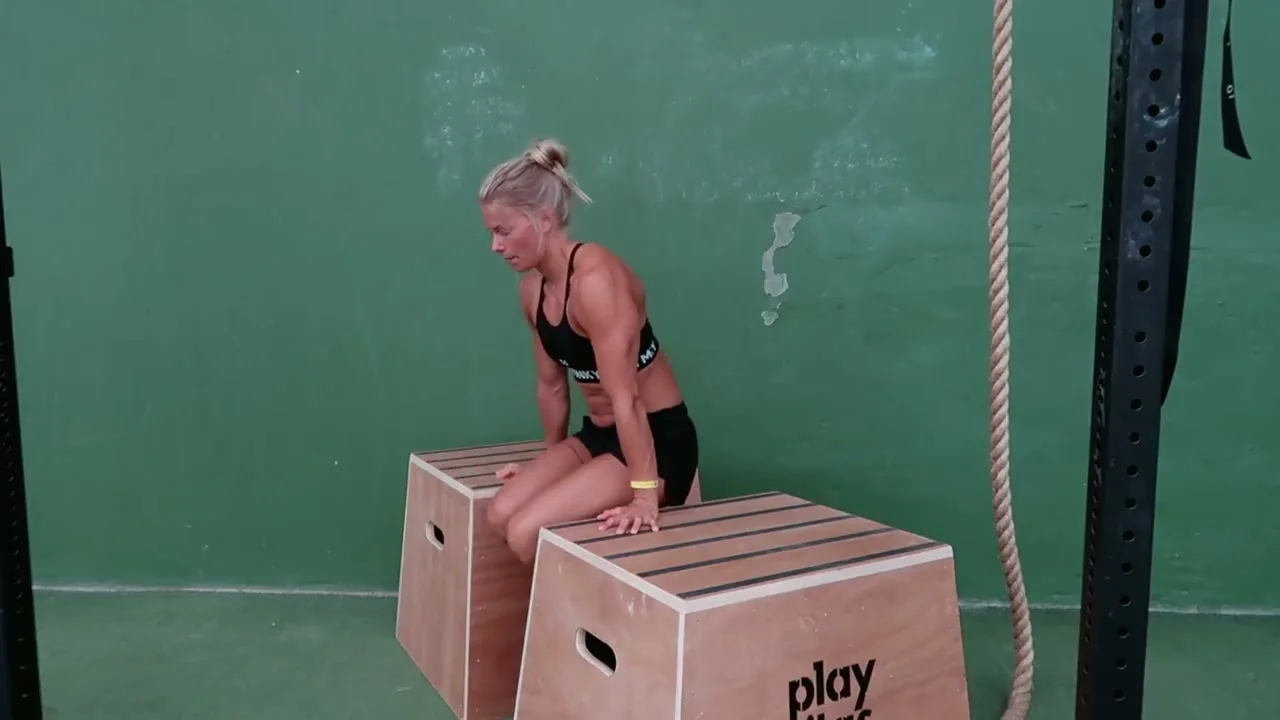
You can perform the V-sit on the floor, on parallettes, or on parallel bars. I personally find parallel bars (or in this case, two boxes) a great starting point. They give you a bit more clearance so you can focus on building strength before worrying about ground clearance.
Prerequisites Before You Start
Before you jump into V-sit training, there are a few things to keep in mind. You should be comfortable with a basic L-sit hold for at least a few seconds. You need decent hamstring flexibility. And you should have enough wrist and shoulder strength to support your bodyweight on your hands.
If you are brand new to calisthenics, spend a few weeks building a foundation first. Work on support holds on parallel bars. Practice basic compression work on the floor. This will save you frustration later.
Key Technique Points
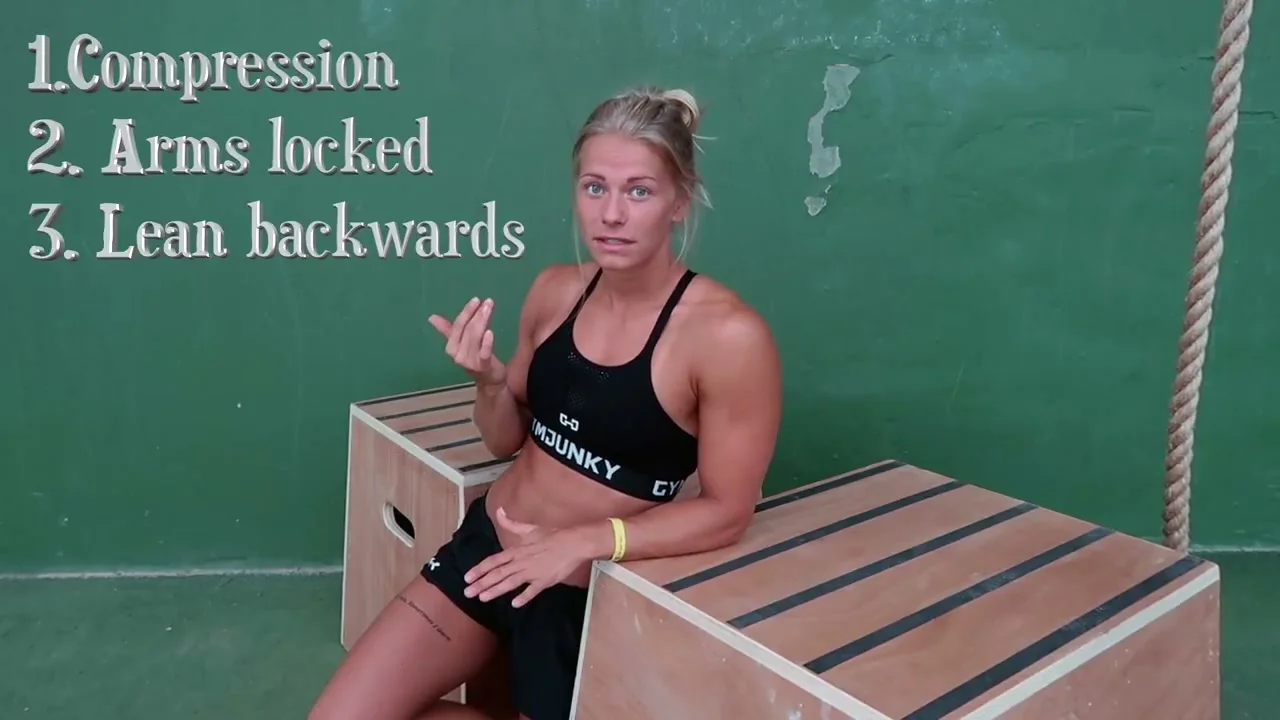
Technique matters a lot with the V-sit. Here are the cues I always focus on:
- Compression: Suck your belly button in towards your spine. This is how you bring your legs closer to your torso.
- Locked arms: Keep your arms fully straight with your biceps pointing forward. Stay tight to your body.
- Lean back slightly: A small backward lean makes it easier to lift your legs higher. This is totally fine, especially when you are learning.
These three things together make the V-sit possible. Skip any one of them and the hold falls apart.
The 6 Exercises to Build Your V-Sit
Here are the six exercises I used, in order from easiest to hardest. I recommend working through them progressively.
Exercise 1: Pike Stretch
This is your flexibility foundation. Sit on the floor with straight legs in front of you. Compress as you would in the V-sit and lean forward. You want good flexibility in the hamstrings and hips to hold a solid V-sit. Without this range of motion, your legs will not come up high enough.
Hold for 30 to 60 seconds. Do this every training session as a warm-up.
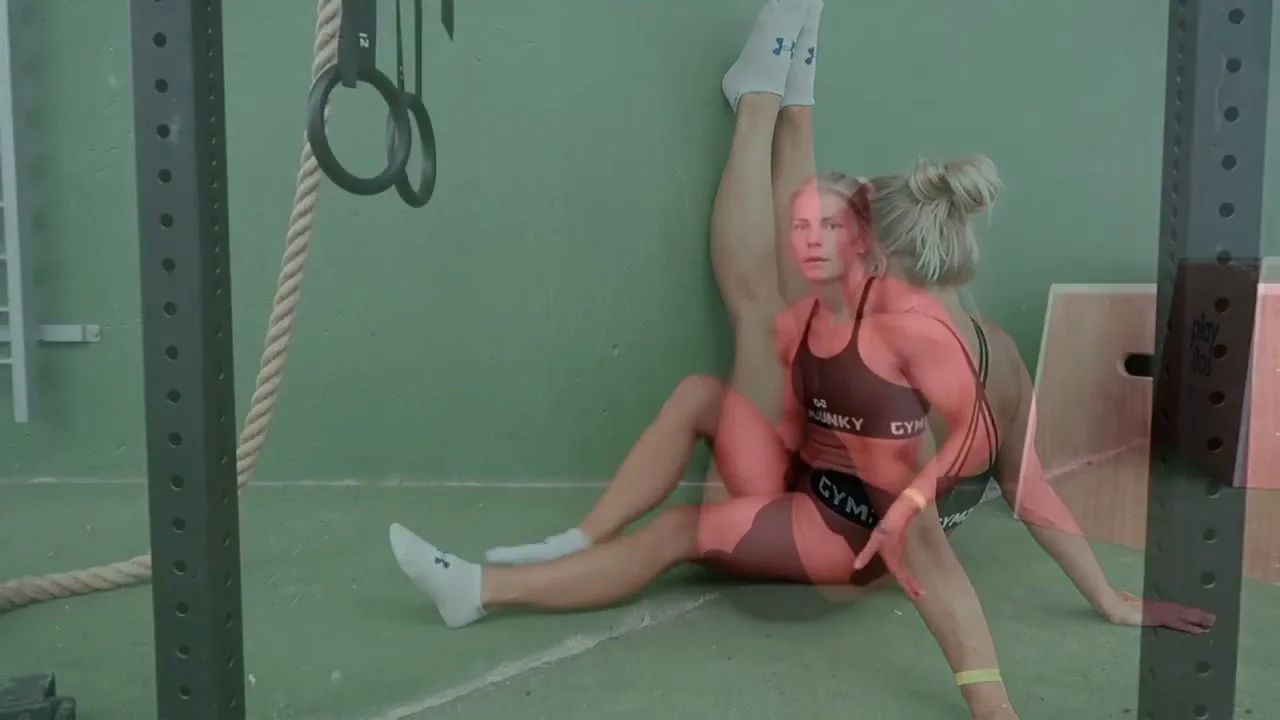
Exercise 2: Wall Pike Stretch
This is the next level of the pike stretch. Sit facing a wall and press yourself as close to it as possible while maintaining straight arms and straight legs. The wall gives you feedback. If your chest is far from the wall, you have work to do.
This stretch is humbling. Be consistent and you will see progress over weeks.
Exercise 3: Leg Lifts on Parallel Bars
Now we get into the strength work. Place your hands as far forward as possible on the bars or boxes. Lift your legs as high as you can without moving your upper body. This targets your hip flexors and compression strength directly.
Do 3 to 4 sets of 8 to 12 reps. Focus on control, not speed.
Exercise 4: Knee Raises on Parallel Bars
Keep your arms straight the entire time. Lift your knees as high as possible and try to lean slightly backwards. The goal here is to get your hips higher. This teaches you the backward lean that makes the V-sit click.
Aim for 3 sets of 10 to 15 reps.
Exercise 5: Single Leg Lifts on Parallel Bars
Same principle as the knee raises, but now extend one leg at a time. This is harder because you are dealing with a longer lever. Alternate legs each rep. Keep everything tight and controlled.
This exercise bridges the gap between knee raises and the full V-sit.
Exercise 6: Hanging Leg Lifts
This is the hardest exercise in the progression. The best setup is wall bars, but a pull-up bar works too. Hang and compress, then lift your legs as high as possible. Bring them down slowly.
The key here is getting your hips up, not just your feet. Think about curling your pelvis. Do 3 sets of 6 to 10 controlled reps.
Common Mistakes to Avoid
Bent arms. This is the most common one I see. If your arms bend, you lose height and stability. Lock them out every single rep.
Ignoring flexibility. People want to skip the stretches and go straight to strength work. Trust me, limited hamstring flexibility will cap your V-sit progress. Do the pike stretches.
Rushing the hold. The V-sit is a strength skill. You cannot force it. If your body is not ready, you will compensate with bad form. Build up gradually.
Not compressing. If you forget to pull your belly button in, your legs will feel impossibly heavy. Compression is what makes this move work.
Training Tips
Here is how I recommend structuring your V-sit training:
- Train it 2 to 3 times per week. Your hip flexors and core need recovery between sessions.
- Start every session with the pike stretches. Warm tissue holds positions better.
- Pick 2 to 3 strength exercises per session. You do not need to do all six every time. Rotate and progress.
- Be patient. Increasing strength for static holds takes time. Weeks, sometimes months. That is completely normal.
- Film yourself. It is hard to feel whether your arms are straight or your legs are high enough. Video does not lie.
I also recommend combining V-sit work with your regular calisthenics training. It pairs well with handstand practice, L-sit work, and upper body pushing exercises.
Frequently Asked Questions
How long does it take to learn the V-sit?
It depends on your starting point. If you already have a solid L-sit and decent flexibility, you could see progress in 4 to 8 weeks. Starting from scratch, expect a few months of consistent work.
Can I learn the V-sit on the floor without parallel bars?
Yes, but it is harder. Parallel bars or parallettes give you clearance, which makes the learning process easier. I recommend starting on bars and moving to the floor once you have the strength.
What muscles does the V-sit work?
Mainly your hip flexors, core (especially the lower abs), and shoulders. Your triceps work to keep the arms locked. Your hamstrings need to be flexible enough to allow the position.
Is the V-sit harder than the L-sit?
Yes. The V-sit requires more compression strength and more hamstring flexibility than the L-sit. Think of the L-sit as a prerequisite.
My legs shake when I try to hold the V-sit. Is that normal?
Completely normal. Your hip flexors are working hard in a range they are not used to. The shaking will decrease as you build strength. Keep training.
Give these six exercises a try and let me know how it goes. Drop a comment or tag me on Instagram. I love seeing your progress. And remember, be patient with yourself. This skill is worth the work.